
Visiting a mosque with kids in Istanbul: how to make it a happy memory
Key facts
| Ideal length | 15–30 minutes with young children |
|---|---|
| Best time | Right after opening, or between Dhuhr and Asr |
| Strollers | Not allowed inside; leave in the courtyard, a baby carrier is easiest |
| Shoes | Taken off at the door and carried in a bag |
| Clothing | Young girls need no headscarf; adult women cover their hair |
| Fees | Blue Mosque free; Hagia Sophia gallery paid for foreigners, ages 0–6 free |
How should we prepare before visiting a mosque with kids?
A good mosque visit starts before the door. Children are calmer and more curious when they know where they are going.
- Tell a short story: “Today we’re visiting a mosque built hundreds of years ago, with thousands of blue tiles inside. Let’s count how many windows its dome has.”
- Talk about the rules first: shoes come off, we walk slowly inside, and we never walk in front of someone praying.
- Easy shoes and clean socks: slip-ons speed up the queue at the door, and holey socks can embarrass children.
- Snacks and water: no eating inside. Take a short break in the courtyard or a park beforehand.
- Toilet: visit before going in. Large mosques have toilets nearby; some charge a small fee.
What age, and for how long?
| Age | Length | Tip |
|---|---|---|
| 0–2 | 10–20 min | Use a baby carrier; visiting while the baby sleeps is ideal |
| 3–6 | 15–25 min | Colour and shape hunt: “find a blue flower”, “how many lamps?” |
| 7–11 | 25–40 min | A mission to find the mihrab, minbar and dome |
| 12+ | 40 min+ | Stories of Mimar Sinan and how the mosques were built; a photo challenge |
A short, happy visit leaves a far better memory than a long, boring one. If a child gets restless, you can always step out into the courtyard for a while and go back in.
Small games that help kids love the mosque
- Dome count: count the windows around the dome or the lamps on the great chandelier together.
- Tile hunt: look for tulip, carnation and cypress patterns, with a point for each one found.
- Whisper game: point out that everyone inside is whispering. “Can you speak so quietly that only I can hear?” works far better than “shh”.
- Talking about the adhan: listen to the call to prayer together outside and explain what it means at your child’s level.
- Sketchbook: give older children a small notebook and ask them to draw a pattern they see.
- Praying together: if your child wants, they can stand in the row with you. Praying in congregation may become the most meaningful moment of their visit.
Do the dress and shoe rules apply to children?
The rules for adults are clear: shoulders and knees covered, women’s hair covered, shoes off. With children, people are understanding.
- Young girls are not expected to cover their hair. Bring a scarf for older girls.
- Small children in shorts are fine, but choose long trousers for teenagers.
- Tourist entrances hand out free bags for shoes; carrying shoes rather than leaving them on a rack keeps them from getting lost.
- In winter the carpets are warm but the entrance stones are cold; thick socks help.
Strollers, breastfeeding and nappy changes
- Strollers: not allowed inside mosques. You can leave one in the courtyard near the door, but don’t leave valuables in it. A baby carrier is the easiest solution.
- Breastfeeding: discreet feeding under a cover in the women’s section is usually fine. For more comfort, pop back to your hotel before or after the visit.
- Nappy changes: never inside the mosque. Toilets don’t always have changing tables, so carry a portable changing mat.
For more on touring Sultanahmet with a baby, see our practical tips for babies and kids.
When to go: prayer times and crowds
Tourist visits pause at prayer times. With children the easiest times are right after opening or between Dhuhr and Asr. On Fridays the big mosques get very crowded around noon prayer.
For a calmer, more intimate first visit, quieter mosques such as Little Hagia Sophia are ideal for children. To plan the day, see our prayer-time sightseeing plan, and for more ideas, our guide to things to do in Sultanahmet with kids.
Our family hotels within walking distance of the mosques
-
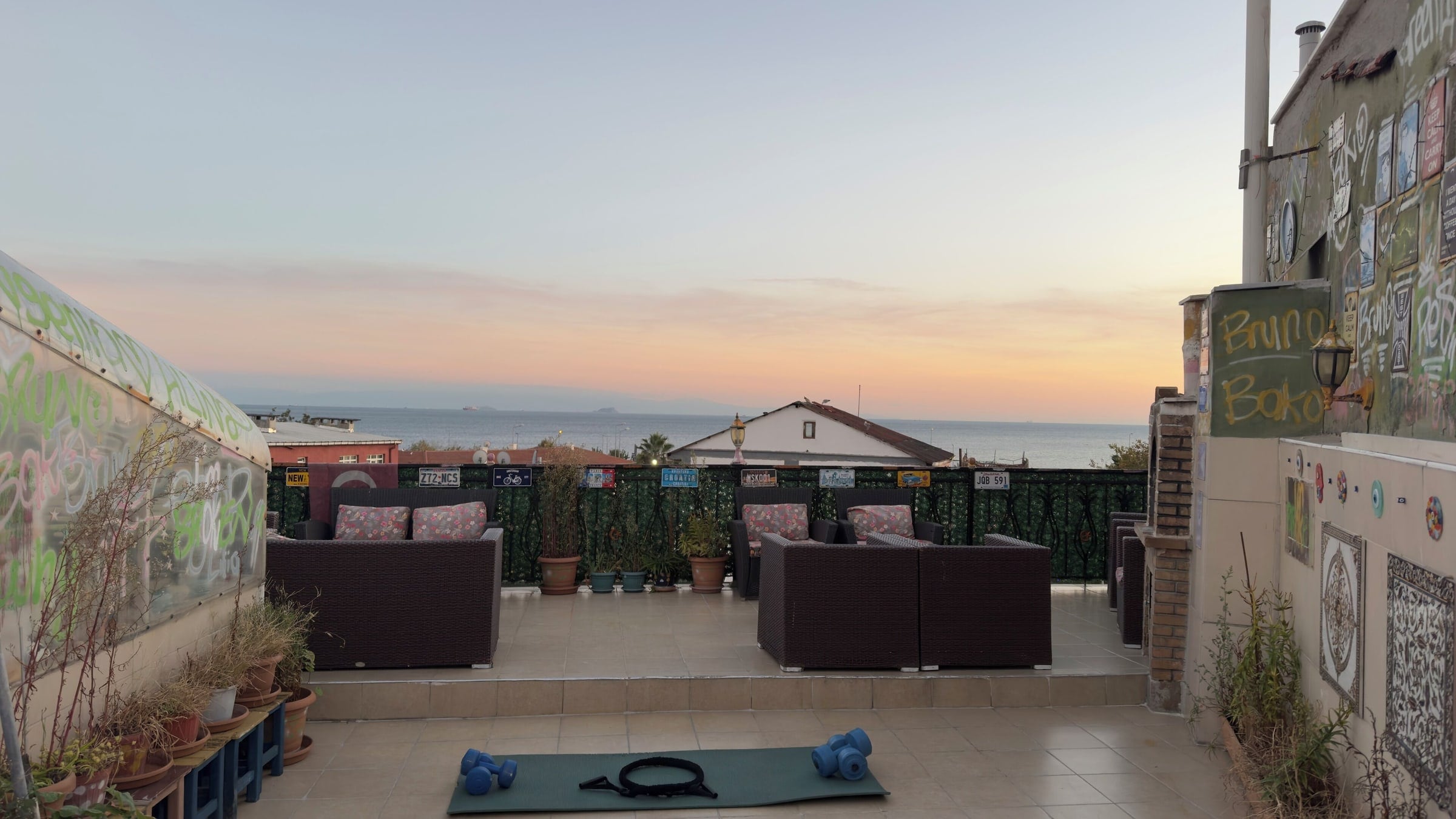
Green Life Apart Hotel
1 min walk to Little Hagia Sophia Mosque
Family-run apartments with kitchenettes and a sea-view roof terrace in Küçük Ayasofya
- Kitchenette in every apartment
- Apartments for three
- Sea-view roof terrace
-
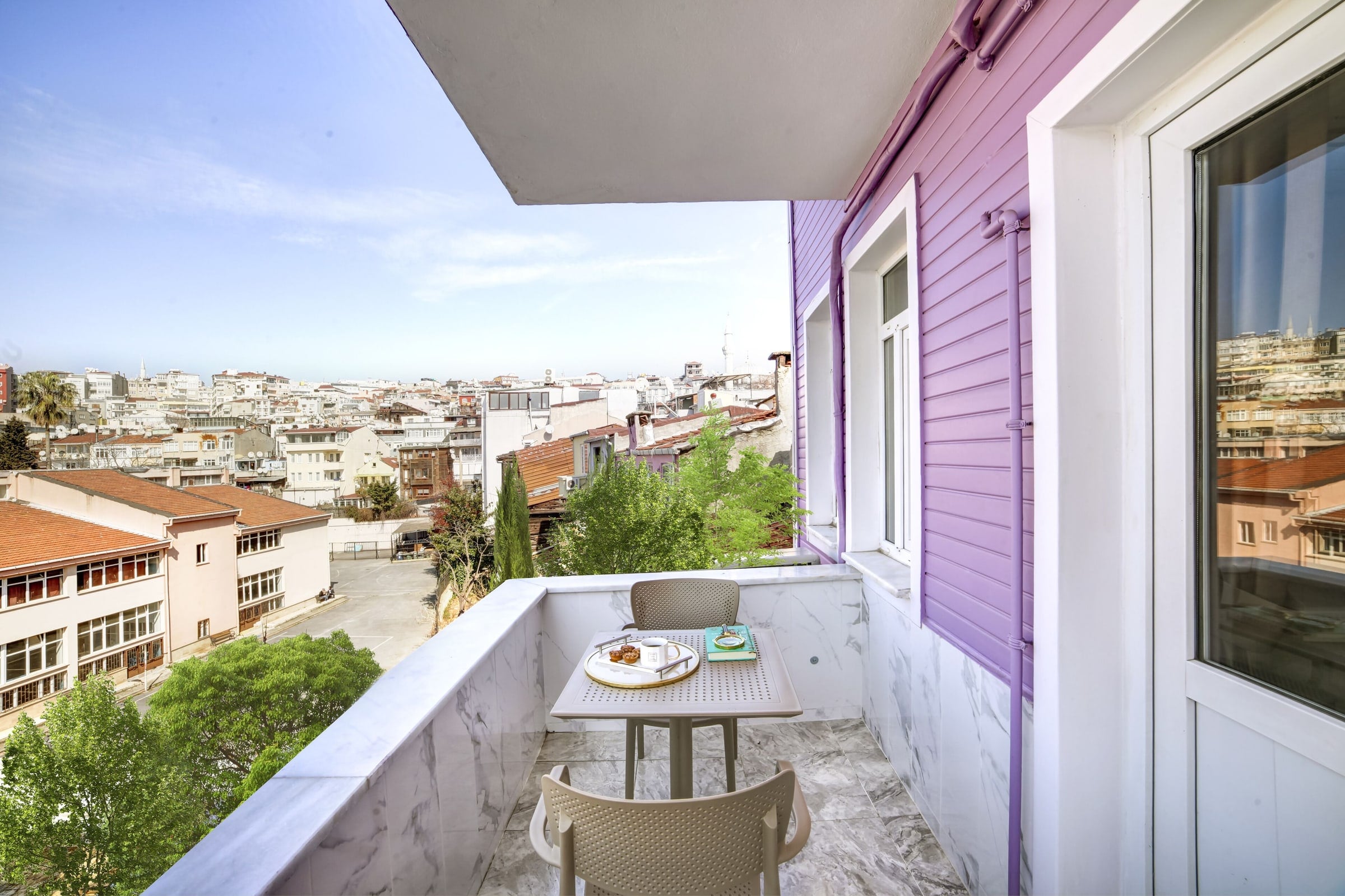
Seven Roses Apart Hotel
2 min walk to Little Hagia Sophia
Apartments with kitchens in Küçük Ayasofya, with roomy options for larger families
- Kitchen in every unit (hob, fridge, kettle)
- Two-bedroom family apartments (up to 6 guests)
- One-bedroom apartments with a separate bedroom
-
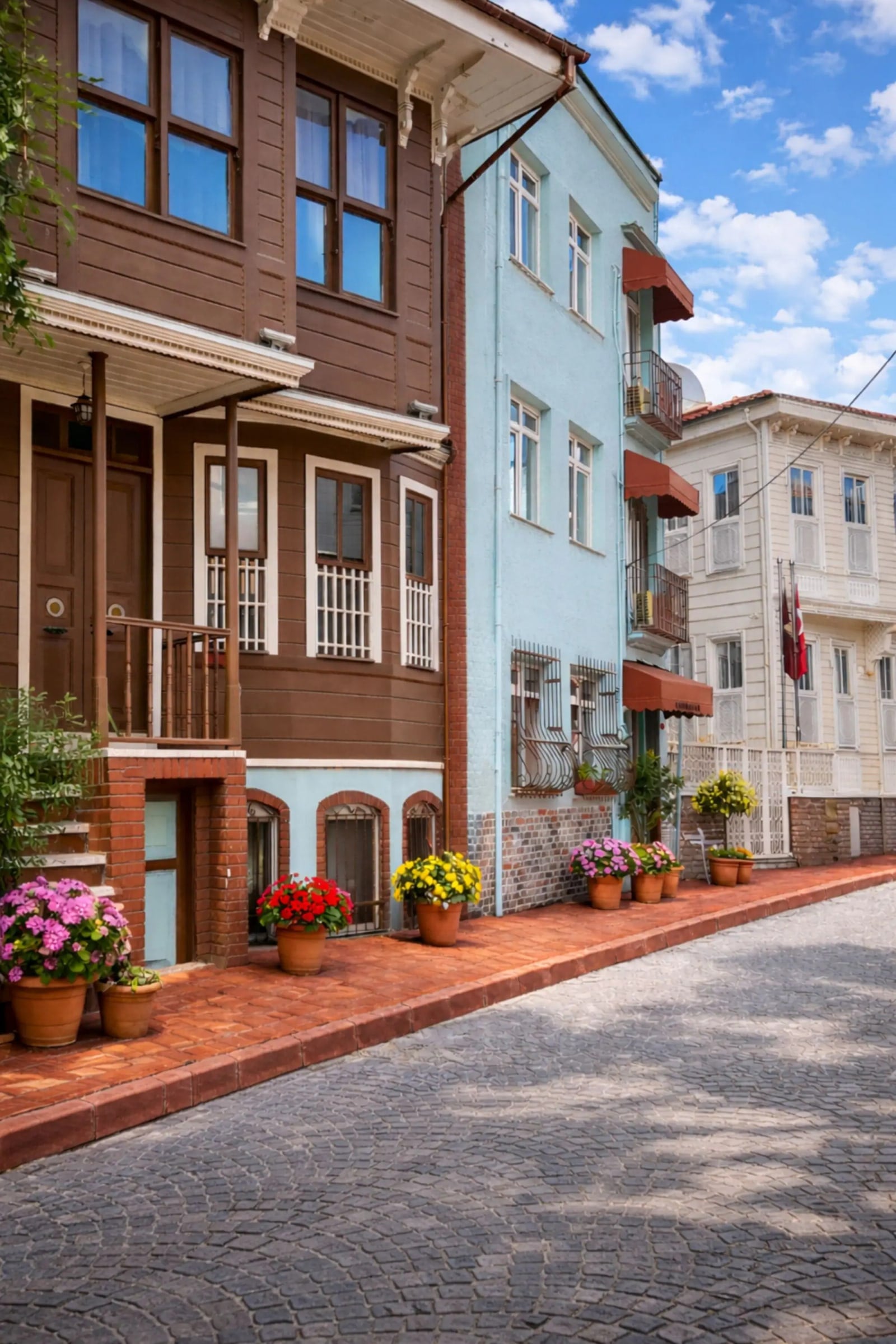
Sareban Hotel
3 min walk to Little Hagia Sophia
An alcohol-free family hotel in Küçük Ayasofya, looking out to the Marmara
- Alcohol-free hotel (incl. minibars)
- Triple family room
- Baby cot and extra bed (on request)
-
Emirhan Inn Hotel
3 min walk to Little Hagia Sophia
A budget-friendly hotel with free breakfast in Küçük Ayasofya
- Breakfast included
- Family suite with kitchenette
- Triple room

Frequently asked questions
Can children go into mosques in Istanbul?
Yes. Istanbul’s mosques welcome families with children. Go outside prayer times, take off your shoes and keep the visit short.
Can I take a stroller into a mosque?
No, strollers stay outside. You can leave one in the courtyard; a baby carrier is the most practical option.
Do young girls need a headscarf in a mosque?
Young girls are not expected to cover their hair. Older girls and adult women need a headscarf; tourist entrances lend one.
What if my child cries in the mosque?
Don’t worry; step out into the courtyard, calm your child and go back in if you like. Children’s voices are not frowned upon, but stepping out during prayer is polite.