
The Companions’ tombs in Istanbul: an Eyüp Sultan and Ayvansaray route
Key facts
| Main visit | Eyüp Sultan Mosque and the tomb of Abu Ayyub al-Ansari |
|---|---|
| Other stops | Companions’ tombs in Ayvansaray, the Abu al-Darda shrine in Eyüp |
| Getting there | T1 to Eminönü, T5 to Ayvansaray and Eyüpsultan Teleferik stop |
| Time needed | Half a day (4–5 hours) |
| Busiest times | Fridays, weekends, holy nights and Eid |
| Dress | Mosque-appropriate; headscarf for women |
Why are there Companions’ tombs in Istanbul?
Because of the hadith in which the Prophet (peace be upon him) foretold the conquest of Constantinople, the city was a goal for Muslims from the earliest days. In the second half of the 7th century the Umayyads besieged it several times, and some of the Companions on these campaigns died and were buried before its walls.
After conquering the city in 1453, Sultan Mehmed II had these graves identified with the help of his teacher Akşemseddin and built tombs over them. Today many graves and shrines in Istanbul are attributed to Companions. Some are actual graves; others are memorial shrines (maqam) built in a Companion’s honour. It helps to know the difference when visiting.
Who was Eyüp Sultan and where is his tomb?
Abu Ayyub al-Ansari is the Companion who hosted the Prophet (peace be upon him) in his home for months after the Hijrah from Makkah to Madinah. Despite his great age he joined the Umayyad campaign against Constantinople in the 670s, died during the siege and, as he had asked, was buried close to the walls. Sources give different years for his death.
- The tomb: in the inner courtyard of Eyüp Sultan Mosque. Mehmed II built a complex here after the conquest; the present mosque was rebuilt at the end of the 18th century.
- Girding of the sword: Ottoman sultans were girded with the sword at Eyüp Sultan when they came to the throne, which made it one of the empire’s holiest places.
- Today: the mosque and tomb are open daily. There is often a queue at the tomb, and visitors pray at its window or inside. The surrounding bazaar has shops selling prayer beads, prayer mats and books.
Which other Companions’ tombs are in Ayvansaray and Eyüp?
The Golden Horn shore from Ayvansaray to Eyüp is where the Muslim army camped during the sieges, so most Companions’ tombs lie along it. The most visited are:
- Tomb of Abu Shayba al-Khudri: in Ayvansaray, inside the Toklu Dede cemetery, known for its large cenotaph; the grave of Hamdullah al-Ansari is nearby.
- Tomb of Jabir: a small tomb against the city walls on Ayvansaray Caddesi, a short walk from the T5 Ayvansaray stop.
- Shrine of Abu al-Darda: in Eyüp, near the Zal Mahmud Pasha Mosque. Abu al-Darda died in Damascus, so this is a memorial shrine, not his grave.
- A stop in Sultanahmet: tradition places a small grave of Abd al-Rahman al-Shami on Kabasakal Caddesi between Hagia Sophia and the Blue Mosque, an easy stop as you leave your hotel.
Sources list further Companions’ graves and shrines around Eğrikapı, Balat and Edirnekapı. Most are small locked tombs in residential streets, visited from outside with a recitation of al-Fatiha.
How do I do the half-day route from Sultanahmet?
- Sultanahmet → Eminönü: take the T1 tram from Sultanahmet stop to Eminönü (about 10 minutes).
- Eminönü → Ayvansaray: take the T5 Eminönü–Alibeyköy tram past Küçükpazar, Cibali, Fener and Balat, and get off at Ayvansaray. The Jabir tomb and the tombs in Toklu Dede cemetery are within walking distance.
- Ayvansaray → Eyüp: take the T5 again and get off at Eyüpsultan Teleferik, the stop after Feshane. Eyüp Sultan Mosque is a short walk away.
- Eyüp Sultan: pray Dhuhr at the mosque and visit the tomb. The Abu al-Darda shrine is a few minutes away.
- Return or Pierre Loti: if you like, ride the cable car up to Pierre Loti hill for the Golden Horn view, then return to Sultanahmet the same way.
The Istanbulkart pays for both the tram and the cable car. See our Istanbulkart and T1 tram guide. With children a taxi is also practical: 20–40 minutes depending on traffic.
What should I keep in mind when visiting?
- Timing: Eyüp Sultan is very crowded on Fridays, weekends, holy nights and Eid. For a calmer visit choose a weekday morning.
- Dress: wear mosque-appropriate clothes; women should carry a headscarf.
- At the tomb: keep quiet, join the queue and don’t disturb those praying. Lighting candles or tying cloth at tombs is not considered religiously appropriate.
- Children: keep them close in the crowds. The courtyard and square are wide, and the pigeons and ice-cream sellers make a nice break.
- Prayer: Eyüp Sultan Mosque has a women’s section and wudu areas. For times, see our prayer times and sightseeing plan.
Why is it an important stop for Umrah travellers?
Many families travelling to or from Makkah and Madinah visit Eyüp Sultan during their days in Istanbul. Visiting the grave of the Companion who hosted the Prophet (peace be upon him) in Madinah carries on the spirit of the Umrah journey. For how many days to stay and what to plan, see our guide to an Istanbul stopover on your Umrah trip.
Our Sultanahmet family hotels, linked to the route by tram
-
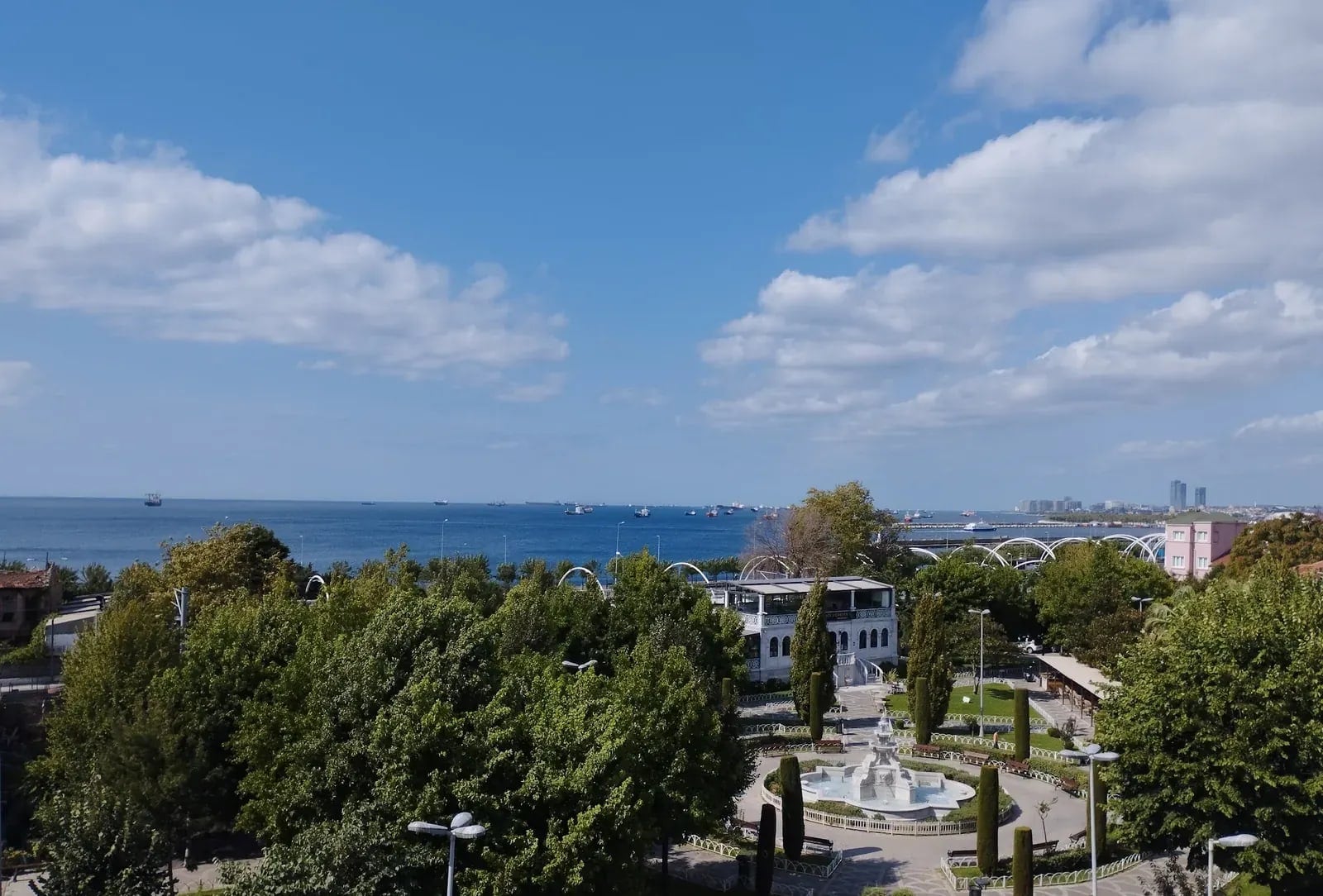
Sareban Hotel
An alcohol-free family hotel in Küçük Ayasofya, looking out to the Marmara
- Alcohol-free hotel (incl. minibars)
- Triple family room
- Baby cot and extra bed (on request)
-
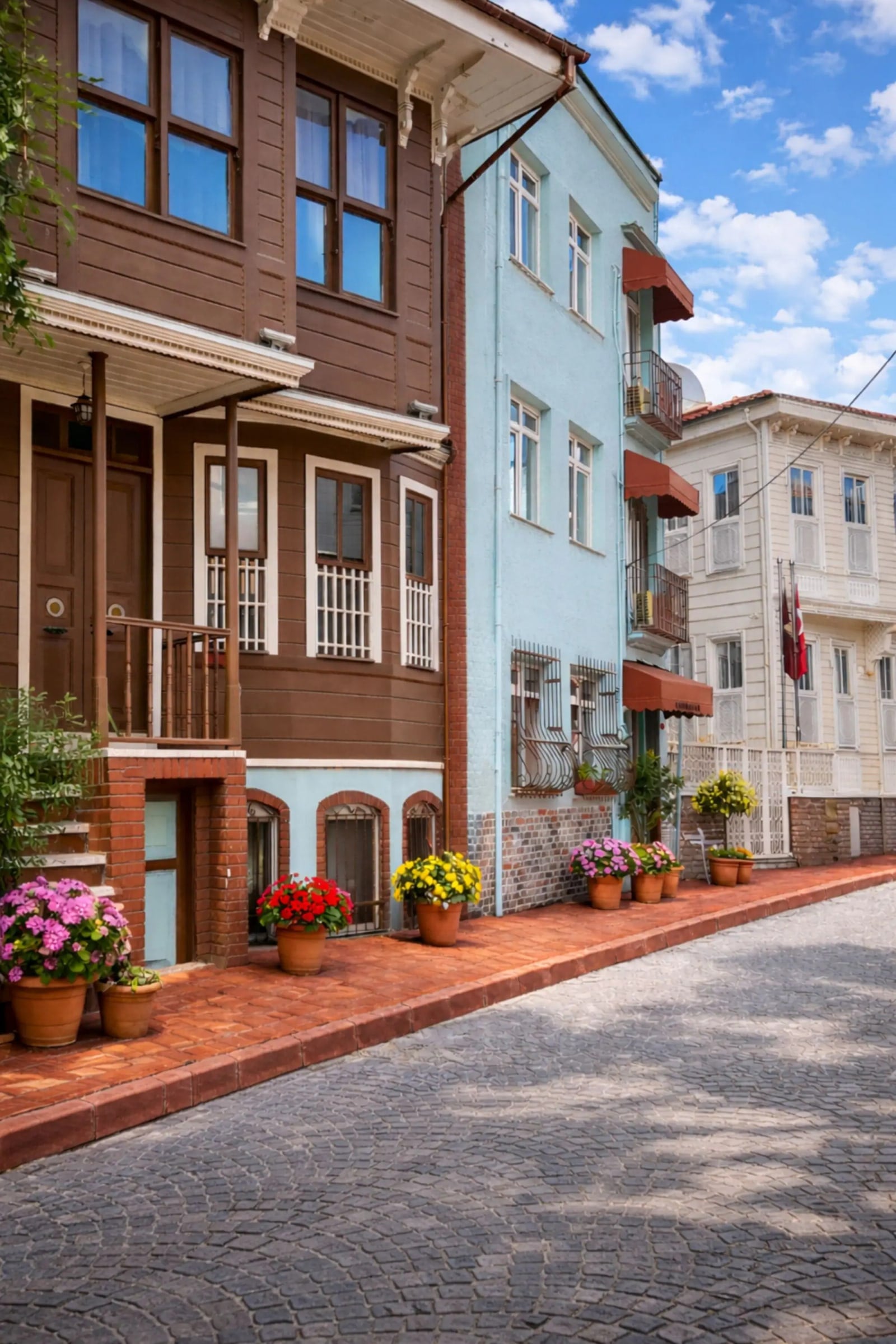
Emirhan Inn Hotel
A budget-friendly hotel with free breakfast in Küçük Ayasofya
- Breakfast included
- Family suite with kitchenette
- Triple room
-
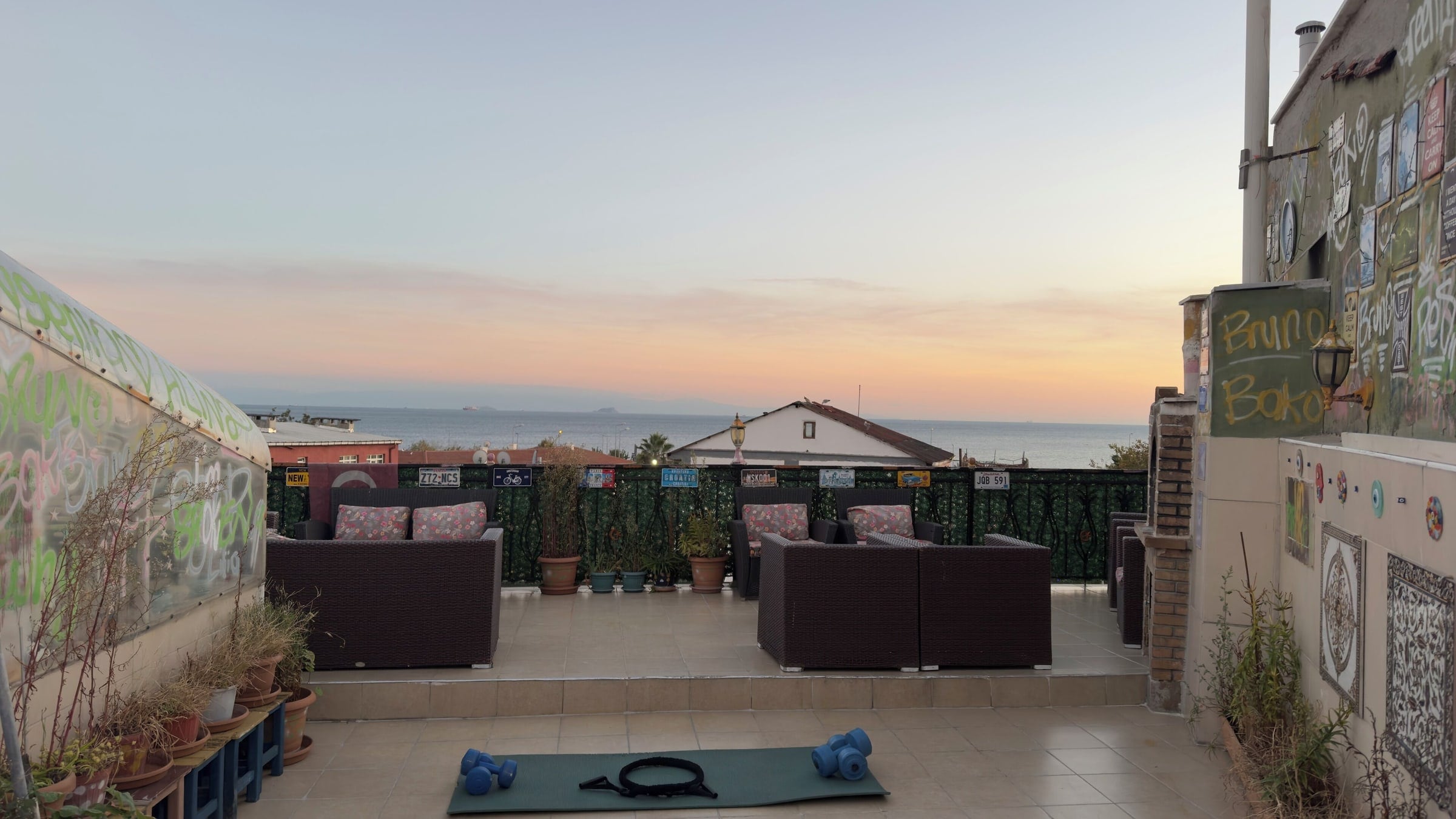
Green Life Apart Hotel
Family-run apartments with kitchenettes and a sea-view roof terrace in Küçük Ayasofya
- Kitchenette in every apartment
- Apartments for three
- Sea-view roof terrace
-
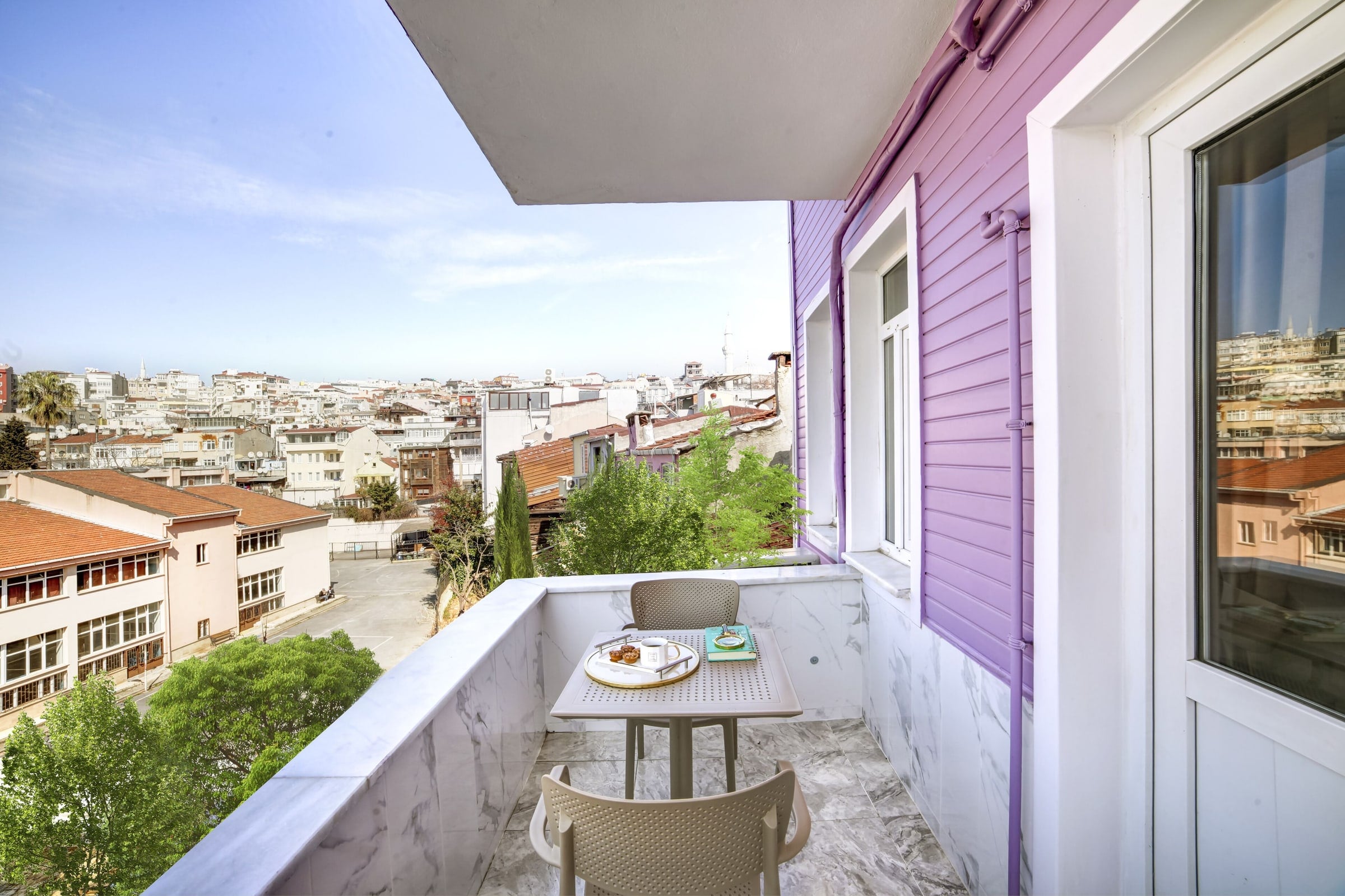
Seven Roses Apart Hotel
Apartments with kitchens in Küçük Ayasofya, with roomy options for larger families
- Kitchen in every unit (hob, fridge, kettle)
- Two-bedroom family apartments (up to 6 guests)
- One-bedroom apartments with a separate bedroom
Frequently asked questions
Who was Eyüp Sultan?
His name was Abu Ayyub al-Ansari, the Companion who hosted the Prophet (peace be upon him) in his home after the Hijrah to Madinah. He died during the Umayyad siege of Constantinople in the 670s and was buried near the walls.
How do I get from Sultanahmet to Eyüp Sultan?
Take the T1 tram to Eminönü, then the T5 Eminönü–Alibeyköy tram to the Eyüpsultan Teleferik stop. A taxi takes 20–40 minutes depending on traffic.
How many Companions are buried in Istanbul?
Sources list more than twenty graves and shrines attributed to Companions. Some are actual graves and some are memorial shrines. The most important is the tomb of Eyüp Sultan.
When is the best time to visit Eyüp Sultan?
Weekday mornings are the quietest. It is very crowded on Fridays, weekends, holy nights and Eid.