Süleymaniye Mosque guide: Mimar Sinan’s masterpiece in Istanbul
- Mosques
- Süleymaniye, Fatih
- Free
Family hotels closest to Süleymaniye Mosque
Visitor information
| Type | Imperial mosque and complex |
|---|---|
| Built | 1550–1557 |
| Commissioned by / architect | Suleiman the Magnificent; Mimar Sinan |
| Neighbourhood | Süleymaniye, Fatih |
| Opening hours | Daily from morning until the night (isha) prayer; visitors are not admitted during prayer times |
| Admission | Free (there is a donation box) |
| Time needed | 1–1.5 hours (including the tombs and terrace) |
| Getting there | M2 Vezneciler-İstanbul Ü. stop, 10 min; T1 Beyazıt-Kapalıçarşı, 12 min |
| From Sultanahmet Square | About 29 min walk (2 km) |
| Pushchair / stroller | Partly suitable. The courtyard and terrace are level; the climb up from Eminönü is steep |
| Best time | In the afternoon, towards sunset, for the view from the terrace |
Opening hours and prices can change; check the official website before you go. Map links open in Google Maps.
Mimar Sinan and the Süleymaniye
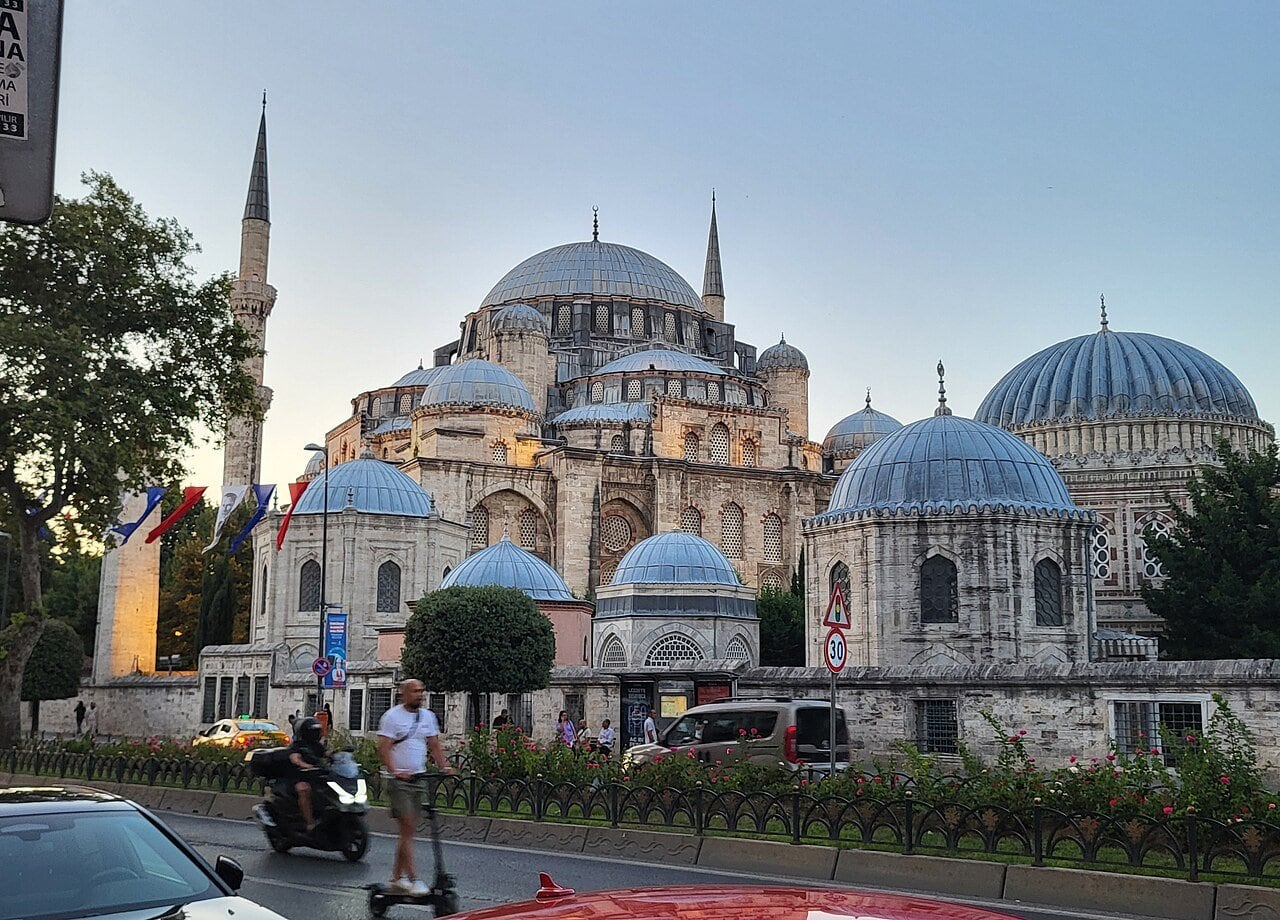
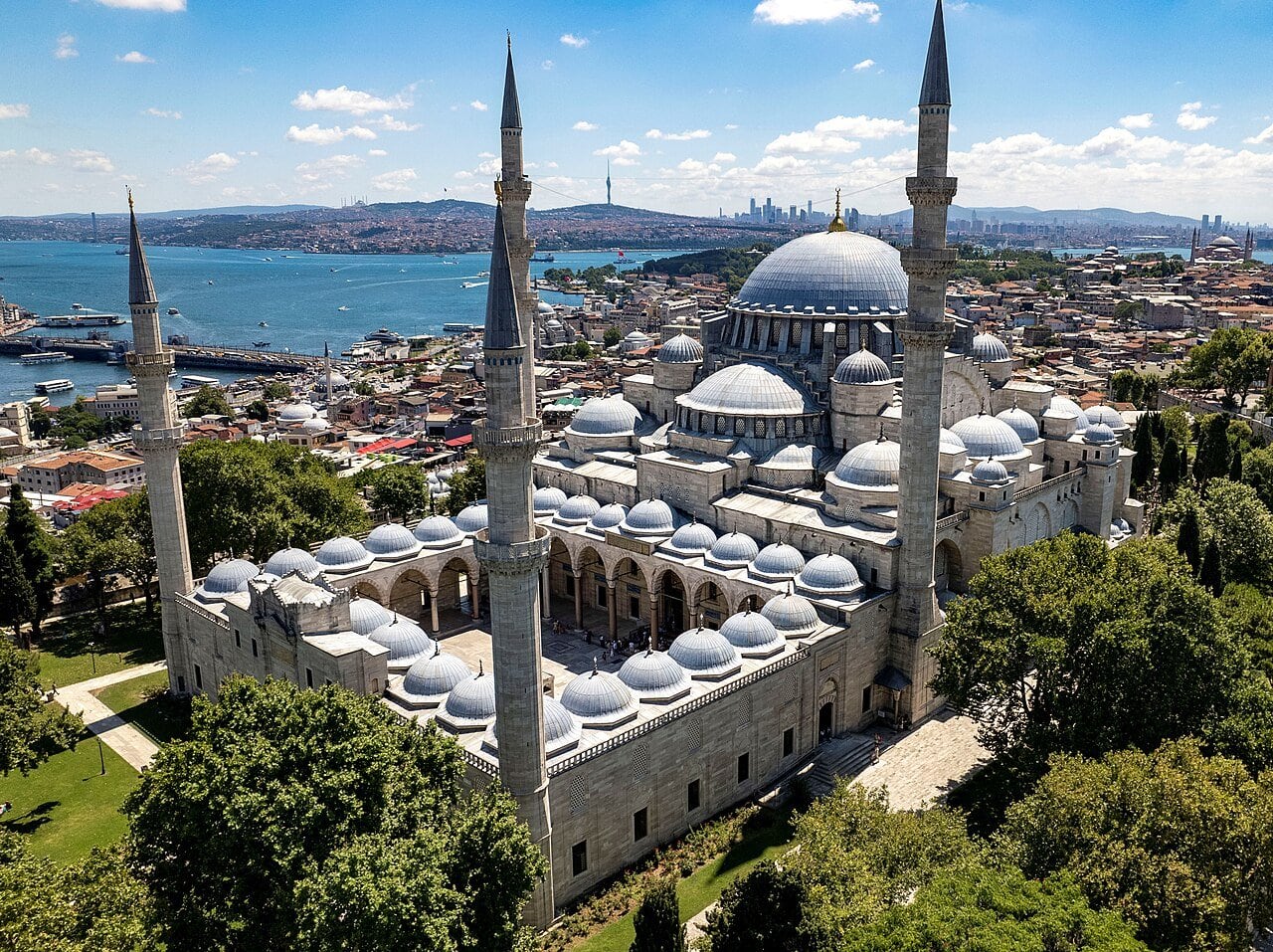
Mimar Sinan described the Süleymaniye in his own words as his “journeyman’s work”: his apprentice work was the Şehzade Mosque and his master work the Selimiye in Edirne. The main dome rises to about 53 metres with a diameter of more than 26 metres, carried by four piers and two half-domes. The mosque’s four minarets have ten balconies in total; this number is widely said to refer to Suleiman being the tenth Ottoman sultan.
The acoustics of the interior, a room that collected the soot from the oil lamps used for lighting, and the story that this soot was made into ink are the most often told details of the mosque.
What is in the complex?
- The tombs: In the graveyard behind the qibla wall, the tombs of Suleiman the Magnificent and Hürrem Sultan stand side by side.
- Tomb of Mimar Sinan: A simple tomb designed by Sinan himself, at the northern corner of the complex.
- Madrasas and hospital: Today used as a library (the Süleymaniye Manuscript Library) and educational buildings.
- The soup kitchen and Süleymaniye Hamam: The old soup kitchen is now a restaurant, and Mimar Sinan’s hamam is still a working bath (Süleymaniye Hamam).
- Bean street: Siyavuşpaşa Street opposite the mosque is famous for the bean (kuru fasulye) restaurants in its old madrasa rooms.
The view terrace
From the terrace in the mosque garden overlooking the Golden Horn you can see the Galata Tower, the Golden Horn bridges, the mouth of the Bosphorus and the hills of Üsküdar in a single frame. At sunset this is one of the calmest viewpoints in Istanbul. For other viewpoints, see our page on the viewpoints of the Historic Peninsula.
Visiting tips
- The streets climbing from Eminönü to the Süleymaniye are steep; for families with children it is easier to start from Beyazıt and walk downhill.
- Combine it with the Grand Bazaar and the Book Bazaar: it is a 10-minute walk from Beyazıt to the Süleymaniye.
- The visiting hours of the tombs of Suleiman and Hürrem can be shorter than the mosque’s; going before midday is the safe choice.
Our family hotels near Süleymaniye Mosque
Walking times are approximate and measured from the hotel door; where the hotel gives its own time, we show that.
-
Seven Roses Apart Hotel
Süleymaniye Mosque: 28 min walk (1.9 km) Walking route
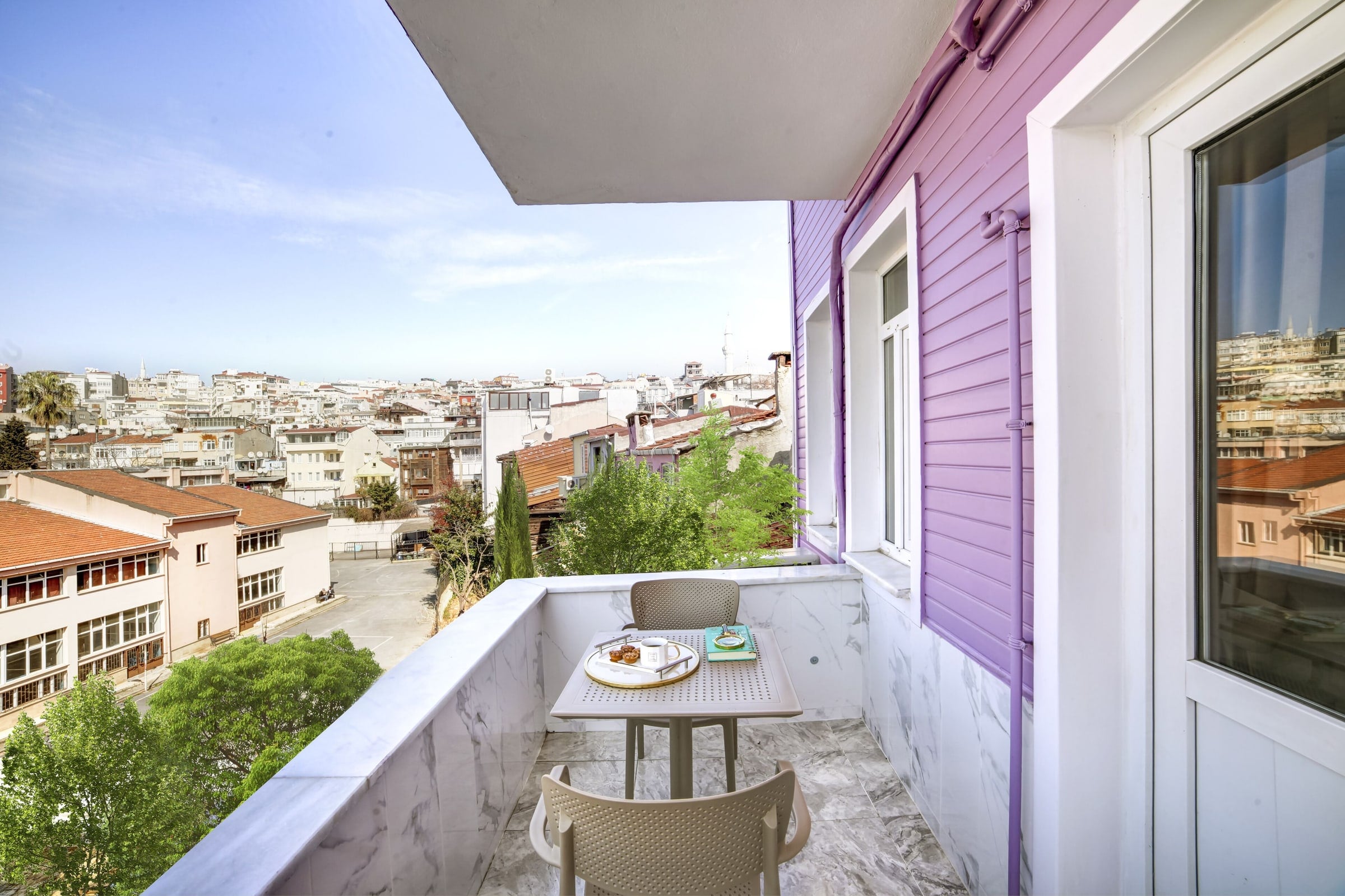
Apartments with kitchens in Küçük Ayasofya, with roomy options for larger families
-
Sareban Hotel
Süleymaniye Mosque: 28 min walk (2 km) Walking route
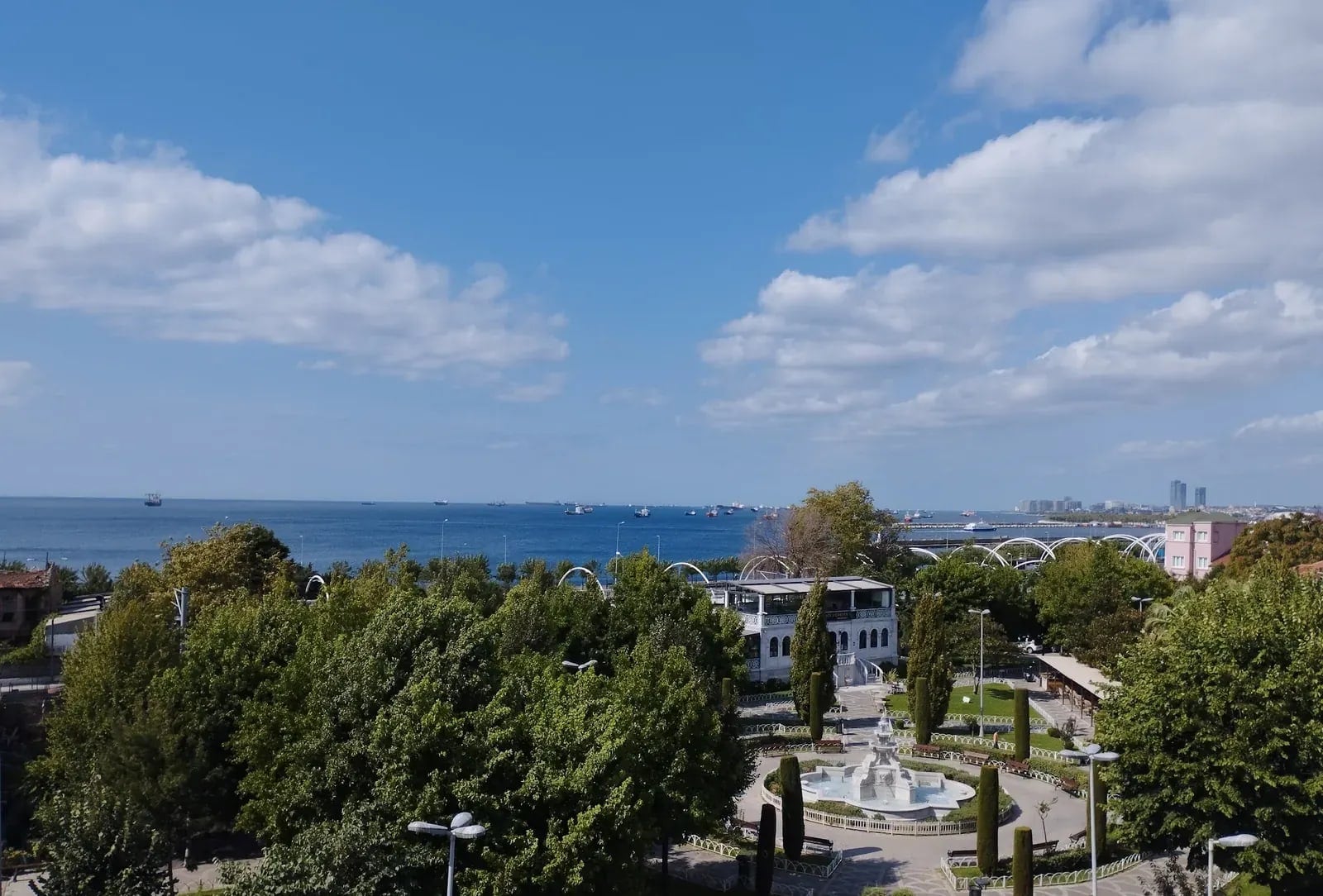
An alcohol-free family hotel in Küçük Ayasofya, looking out to the Marmara
-
Emirhan Inn Hotel
Süleymaniye Mosque: 28 min walk (2 km) Walking route
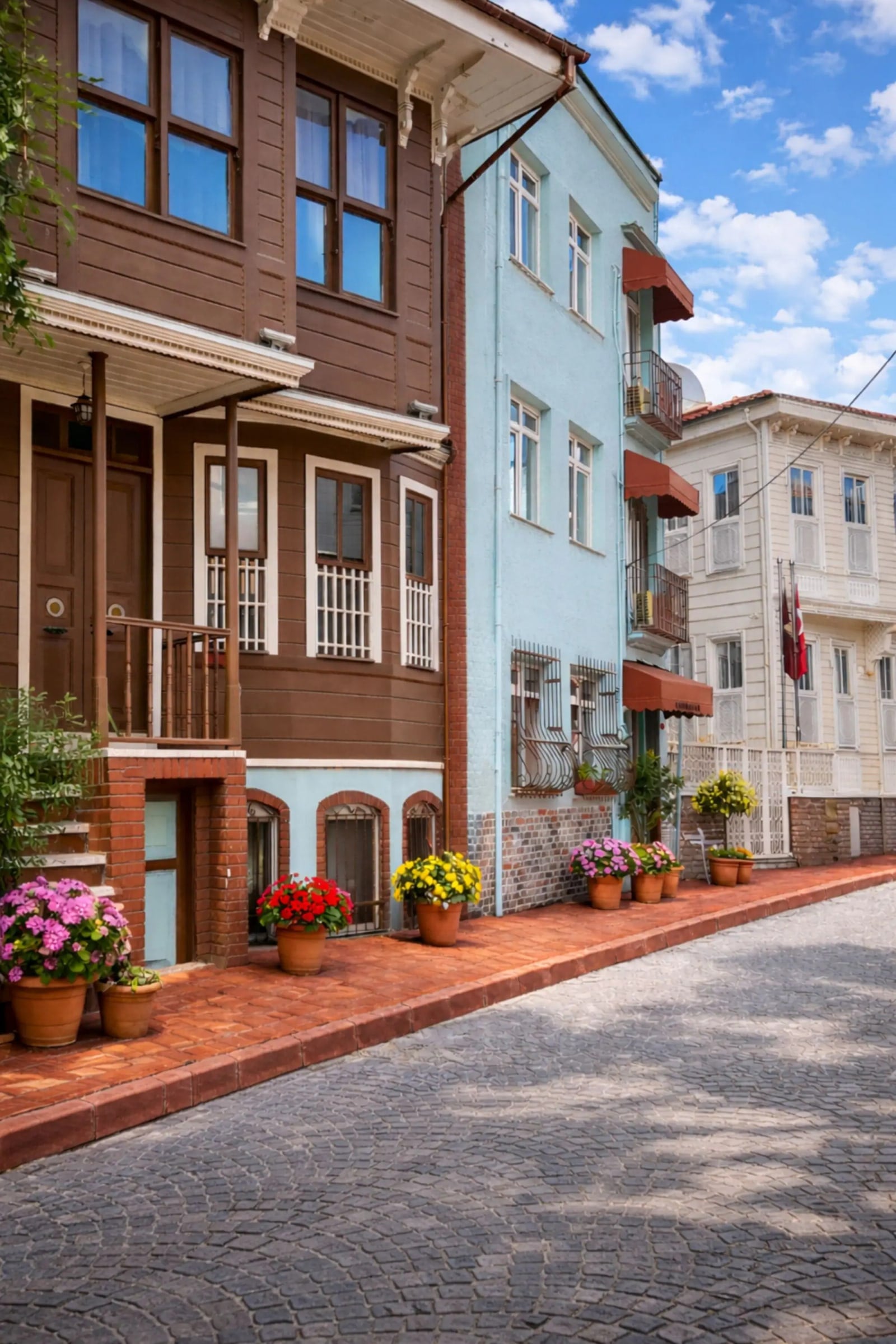
A budget-friendly hotel with free breakfast in Küçük Ayasofya
-
Green Life Apart Hotel
Süleymaniye Mosque: 28 min walk (2 km) Walking route
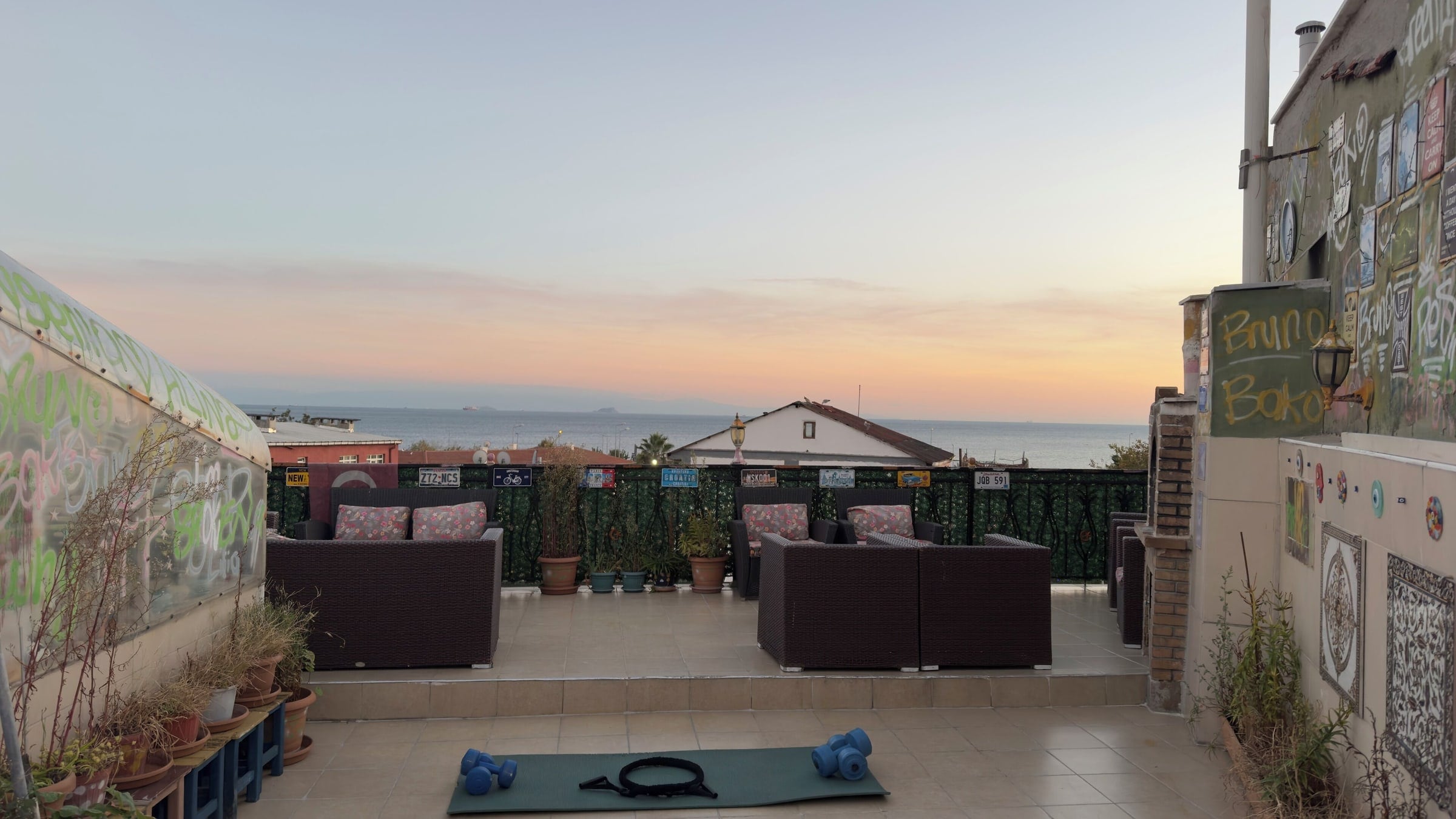
Family-run apartments with kitchenettes and a sea-view roof terrace in Küçük Ayasofya
Frequently asked questions
Who built the Süleymaniye Mosque?
The Süleymaniye Mosque was commissioned by Suleiman the Magnificent and built by Mimar Sinan. Construction began in 1550 and was completed in 1557.
Where is Mimar Sinan’s tomb?
Mimar Sinan’s tomb is at the northern corner of the Süleymaniye complex, where Mimar Sinan Street meets Fetva Yokuşu. Sinan designed the tomb himself.