
What is a harem? Family life and privacy in the Ottoman world
Key facts
| Word origin | Arabic; “protected, inviolable, private” |
|---|---|
| Haremlik | The private family part of the house |
| Selamlık | The part of the house where male guests were received |
| Topkapı Harem | The sultan’s family quarters; most powerful figure: the valide sultan |
| Visiting info | On the Topkapı Palace page (tickets and hours) |
What does the word harem mean?
Harem comes from an Arabic root meaning “forbidden, inviolable, protected”. Makkah and Madinah are called the “Haramayn” from the same root: places that are honoured and protected. In a home, the harem is the part where the family’s women and children live and which unrelated men do not enter.
Behind this arrangement lies the Islamic idea of family privacy (mahremiyet): the family’s private life is protected, household members are at ease in their own space, and guests are hosted in a separate part. So a harem was not a place where women were shut away, but the family’s protected home.
How were Ottoman homes divided?
Traditional Istanbul houses and mansions had two parts:
| Part | Who used it? | Features |
|---|---|---|
| Haremlik | The family: women, children and the men of the house | Rooms facing the garden, the kitchen, bedrooms; windows hidden from the street |
| Selamlık | The men of the house and male guests | Reception rooms near the street, so guests were hosted without seeing the family quarters |
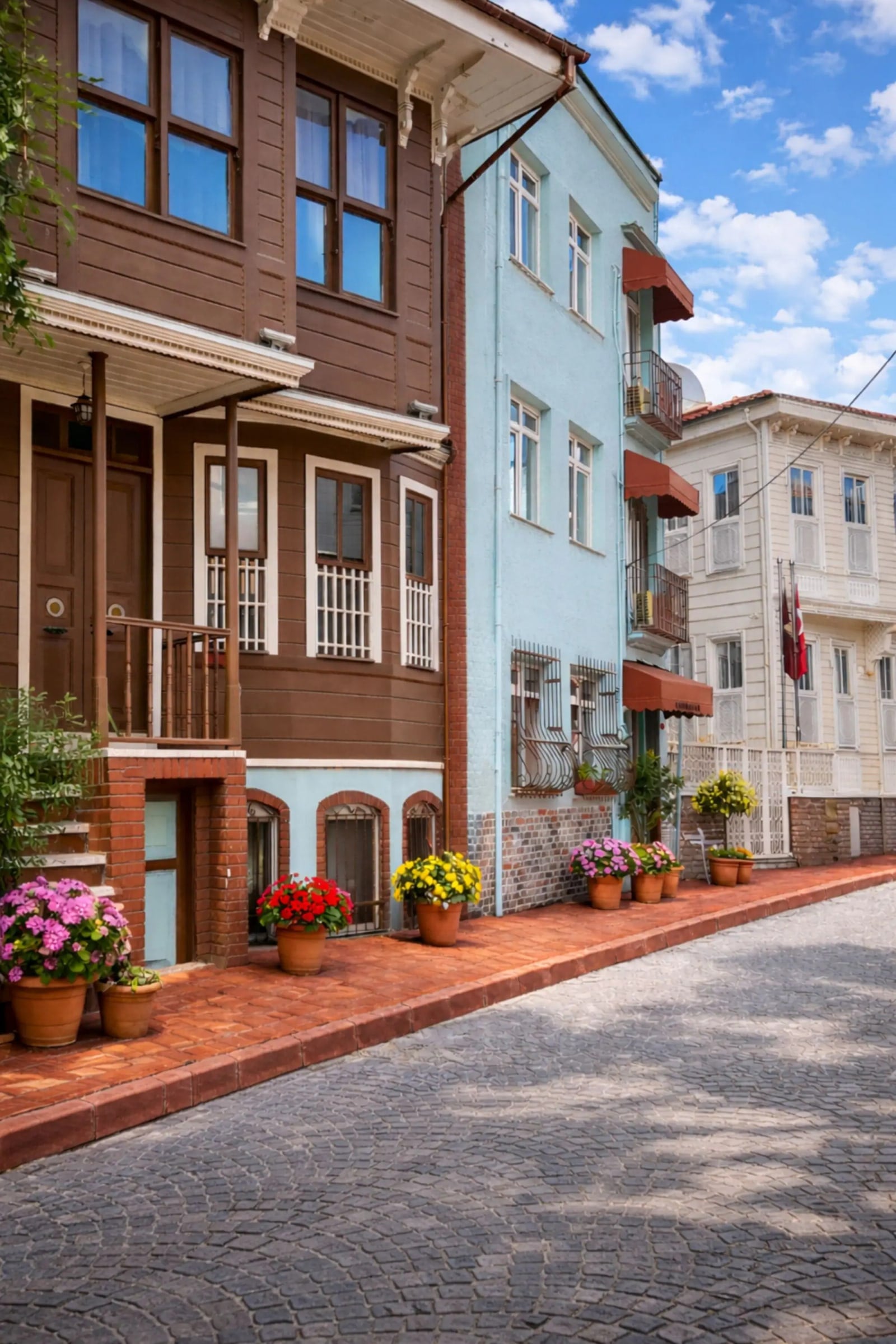
Revolving cupboards between the two halves passed food from one side to the other. Wooden lattices on the windows kept the inside out of view while letting the family watch the street. In the old streets of the historic peninsula, especially around Fatih and Zeyrek, you can still see wooden houses that carry traces of this layout.
Who lived in the Harem of Topkapı Palace?
The Harem of Topkapı Palace was the residence of the sultan’s family and one of the busiest parts of the palace. Its main residents were:
- The valide sultan: the sultan’s mother, who ran the Harem and was often the most influential person in the palace.
- The sultan’s wives and children: princes were educated here and princesses grew up here.
- Cariyes: women brought to the palace at a young age and trained there. They learned to read and write, the Qur’an, music and crafts, and many were freed and married off after some years.
- The Harem aghas: officials responsible for the Harem’s security and its contact with the outside world.
The Harem was also a centre of education and influence. Mosques, fountains and charitable foundations built by sultans’ mothers and wives can be seen across Istanbul today. Tickets and opening hours for the palace Harem are on the palace’s visiting page; for a stay close by, see our guide to hotels near Topkapı Palace and Gülhane Park.
Why is the Western image of the harem wrong?
In the 18th and 19th centuries European painters and writers portrayed the harem as a lavish pleasure house. Most of these paintings and stories came from the imagination of people who had never seen a harem, since unrelated men could not enter one.
European women travellers who did see a harem described something very different: family life, children, education, conversation and strict palace routine. Historians today also treat the harem as a family and court institution. Walking through the palace with this in mind makes its rooms far more meaningful.
What does family privacy mean for families today?
Homes no longer have a haremlik and selamlık, but the value placed on family privacy remains. For travelling Muslim families it becomes very concrete needs:
- Family rooms or connecting rooms where everyone can stay together.
- A calm hotel atmosphere where alcohol is not the focus.
- Places where women can pray comfortably, and the qibla direction in the room.
Room options are covered in our guide for large families in Istanbul, and practical tips for prayer at the hotel in our guide to praying in your hotel room.
Our family hotels within walking distance of Topkapı Palace
No hotel has a walking time for this spot yet, so we list all our hotels. Each hotel page shows what is nearby.
-
Sareban Hotel
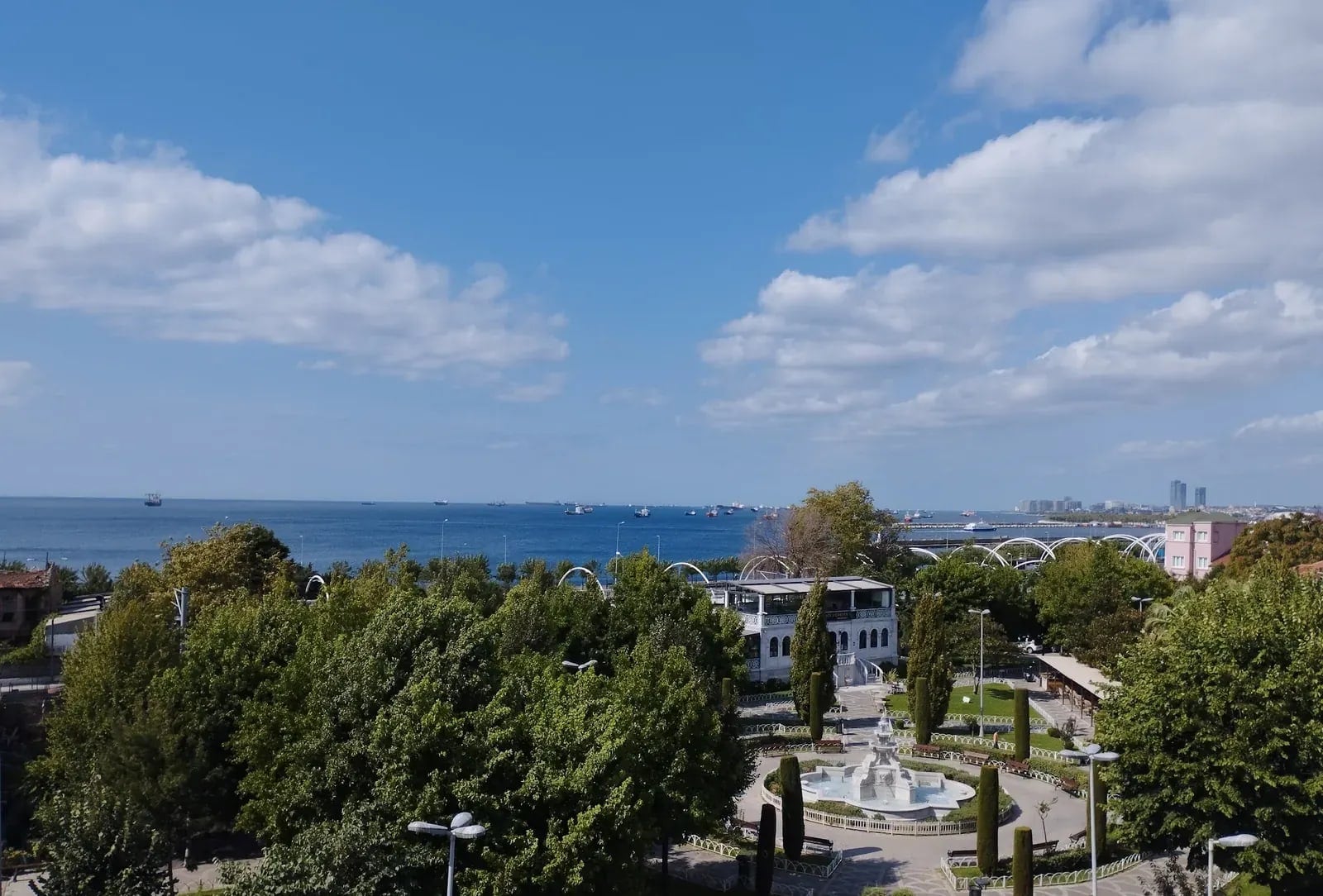
An alcohol-free family hotel in Küçük Ayasofya, looking out to the Marmara
- Alcohol-free hotel (incl. minibars)
- Triple family room
- Baby cot and extra bed (on request)
-
Emirhan Inn Hotel
A budget-friendly hotel with free breakfast in Küçük Ayasofya
- Breakfast included
- Family suite with kitchenette
- Triple room
-
Green Life Apart Hotel
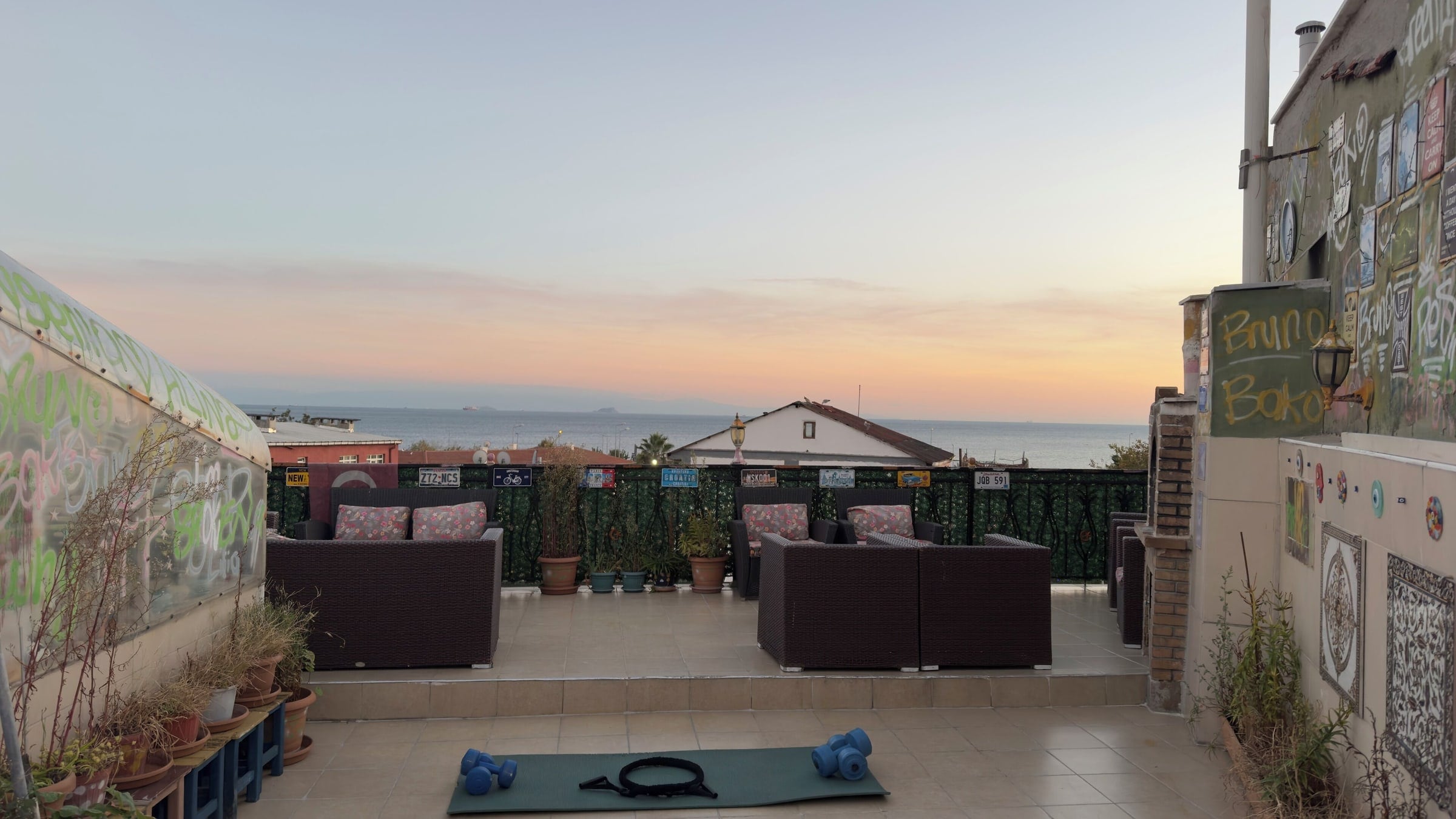
Family-run apartments with kitchenettes and a sea-view roof terrace in Küçük Ayasofya
- Kitchenette in every apartment
- Apartments for three
- Sea-view roof terrace
-
Seven Roses Apart Hotel
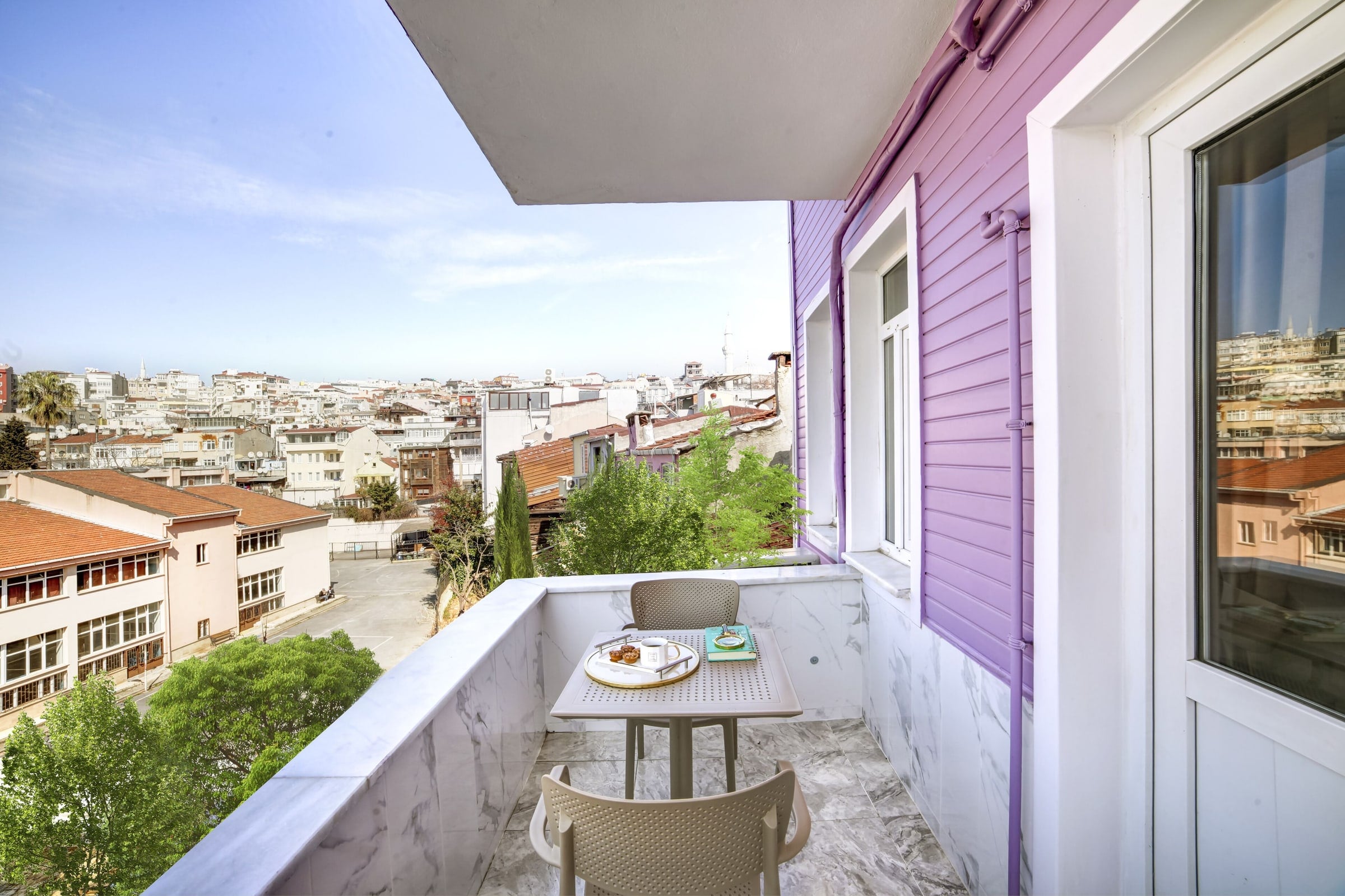
Apartments with kitchens in Küçük Ayasofya, with roomy options for larger families
- Kitchen in every unit (hob, fridge, kettle)
- Two-bedroom family apartments (up to 6 guests)
- One-bedroom apartments with a separate bedroom
Frequently asked questions
What does harem mean?
It comes from an Arabic root meaning “protected, inviolable”. It is the private part of a home where the family lives, closed to unrelated men.
What is the difference between haremlik and selamlık?
The haremlik is the private family part of the house; the selamlık is where male guests were received. Traditional Ottoman houses had both.
Who lived in the Topkapı Palace Harem?
The sultan’s mother (valide sultan), his wives and children, the cariyes who served and were educated there, and the aghas responsible for its security.
Was the harem a pleasure house?
No. That image largely comes from European painters and writers who never entered a harem. It was the palace quarters where the sultan’s family lived and were educated.