
What does inshallah mean? Meaning and when to say it
Key facts
| Meaning | If God wills, God willing |
|---|---|
| In Arabic | إن شاء الله (in shā’ Allāh) |
| Common spellings | inshallah, insha’Allah, in sha Allah; Turkish: inşallah |
| Source | The Qur’an, Surah al-Kahf 18:23–24 |
| When is it said? | When talking about a plan, a promise or a hope for the future |
What does the word inshallah mean?
Inshallah is made of three Arabic words: in (if), shā’a (wills) and Allāh (God). Together they mean “if God wills”. In Turkish and many other languages it has become a single word and one of the most common expressions in everyday speech.
Behind it is a simple idea: people make plans, work hard and do their best, but whether things actually happen depends on God’s will. So saying inshallah is not laziness or uncertainty. It means putting in the effort while trusting God with the result (tawakkul).
What does the Qur’an say about saying inshallah?
Surah al-Kahf (18:23–24) says: “And never say of anything, ‘I will do that tomorrow,’ without adding, ‘If God wills.’” According to the classical commentaries, these verses came after the Prophet Muhammad ﷺ promised to answer some questions “tomorrow” and forgot to say inshallah.
That is why Muslims try to add inshallah whenever they promise something or describe a plan. Other examples in the Qur’an include Prophet Joseph telling his family “Enter Egypt in safety, if God wills” and Ishmael telling his father “You will find me, inshallah, among the patient.”
When do people say inshallah in daily life?
In Turkey almost everyone says inshallah, religious or not. You will hear it most often in these situations:
- A plan or a promise: “See you next week, inshallah.” “We will be at the hotel at nine tomorrow, inshallah.”
- A wish or a hope: “Inshallah it won’t rain.” “Get well soon, inshallah.”
- Waiting for good news: “The results will be good, inshallah.”
When someone says inshallah, you can simply answer “inshallah” or “amin”. Saying it twice, “inshallah, inshallah”, shows that you really hope something will happen.
Does inshallah secretly mean “no”?
Some visitors think inshallah is a polite way of saying “maybe” or even “no”. That is not what the word means. Inshallah says that the intention is real but the outcome is in God’s hands. A person who promises something and says inshallah should genuinely mean to do it.
In everyday speech people sometimes use it to avoid a firm answer, but that comes from the speaker, not from the word. If a hotel or a taxi driver in Istanbul answers you with “inshallah”, you can usually take it as “yes, that’s the plan”.
What is the difference between inshallah and mashallah?
The two are often mixed up, but they are used in different moments:
| Phrase | Meaning | When? |
|---|---|---|
| Inshallah | If God wills | For something in the future that has not happened yet |
| Mashallah | God has willed it, how lovely | For something good you see and admire |
| Alhamdulillah | All praise is for God | When thanking God for something that has happened |
In short: inshallah looks to the future, mashallah to something beautiful in front of you, and alhamdulillah to gratitude. Read more in What does mashallah mean? and What does alhamdulillah mean?
Useful phrases for families visiting Istanbul
In Sultanahmet, hotel staff, shopkeepers and taxi drivers use inshallah, mashallah and alhamdulillah all the time. Knowing them makes conversations easier and people warm to you. Saying “thank you, mashallah” when a shopkeeper compliments your child, or “I’ll come back tomorrow, inshallah”, sounds completely natural.
If you plan to visit mosques such as Hagia Sophia and the Blue Mosque, our guides to mosques for prayer in Sultanahmet and visiting a mosque with children will help.
Our family hotels in Sultanahmet for Muslim families
-
Sareban Hotel
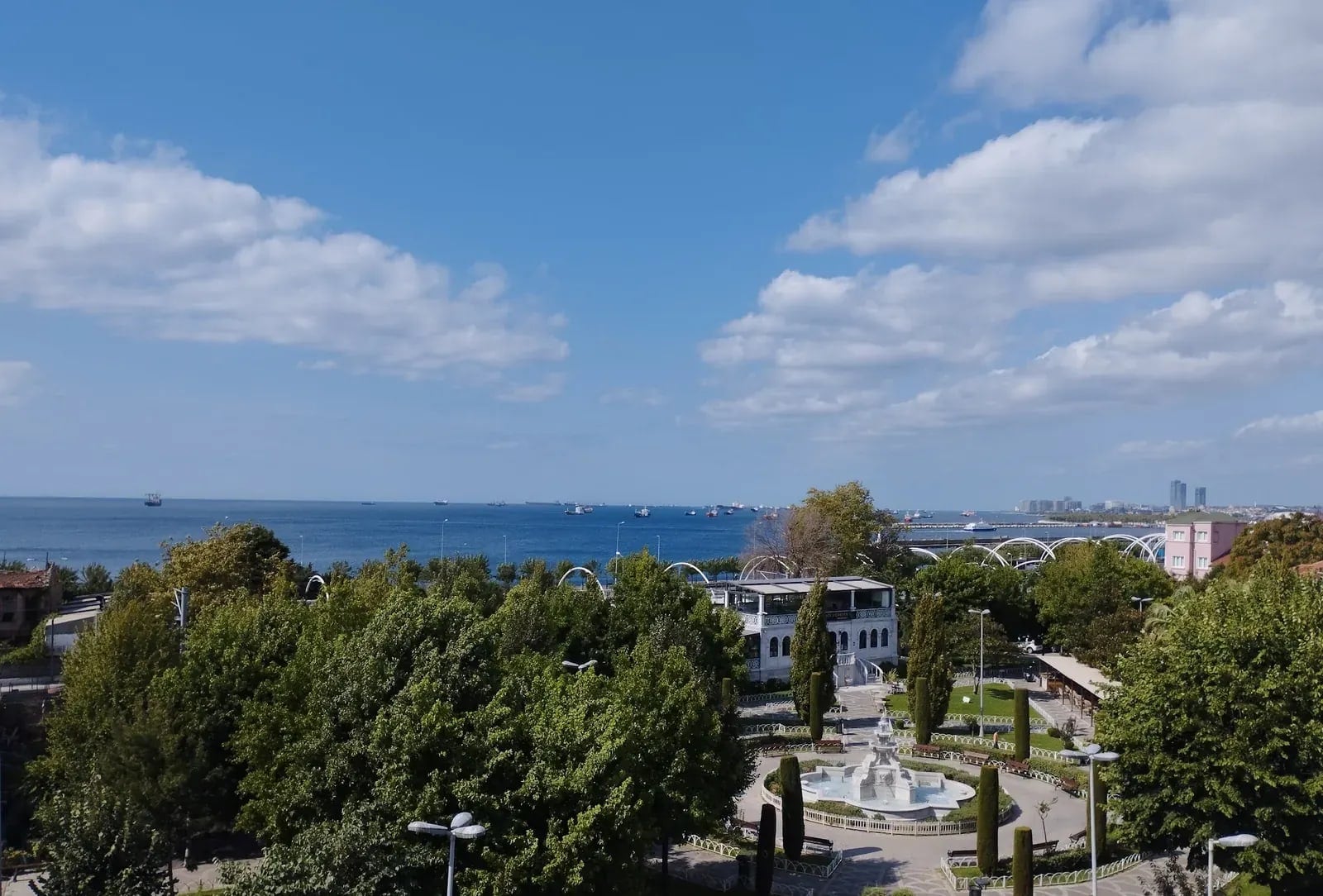
An alcohol-free family hotel in Küçük Ayasofya, looking out to the Marmara
- Alcohol-free hotel (incl. minibars)
- Triple family room
- Baby cot and extra bed (on request)
-
Emirhan Inn Hotel
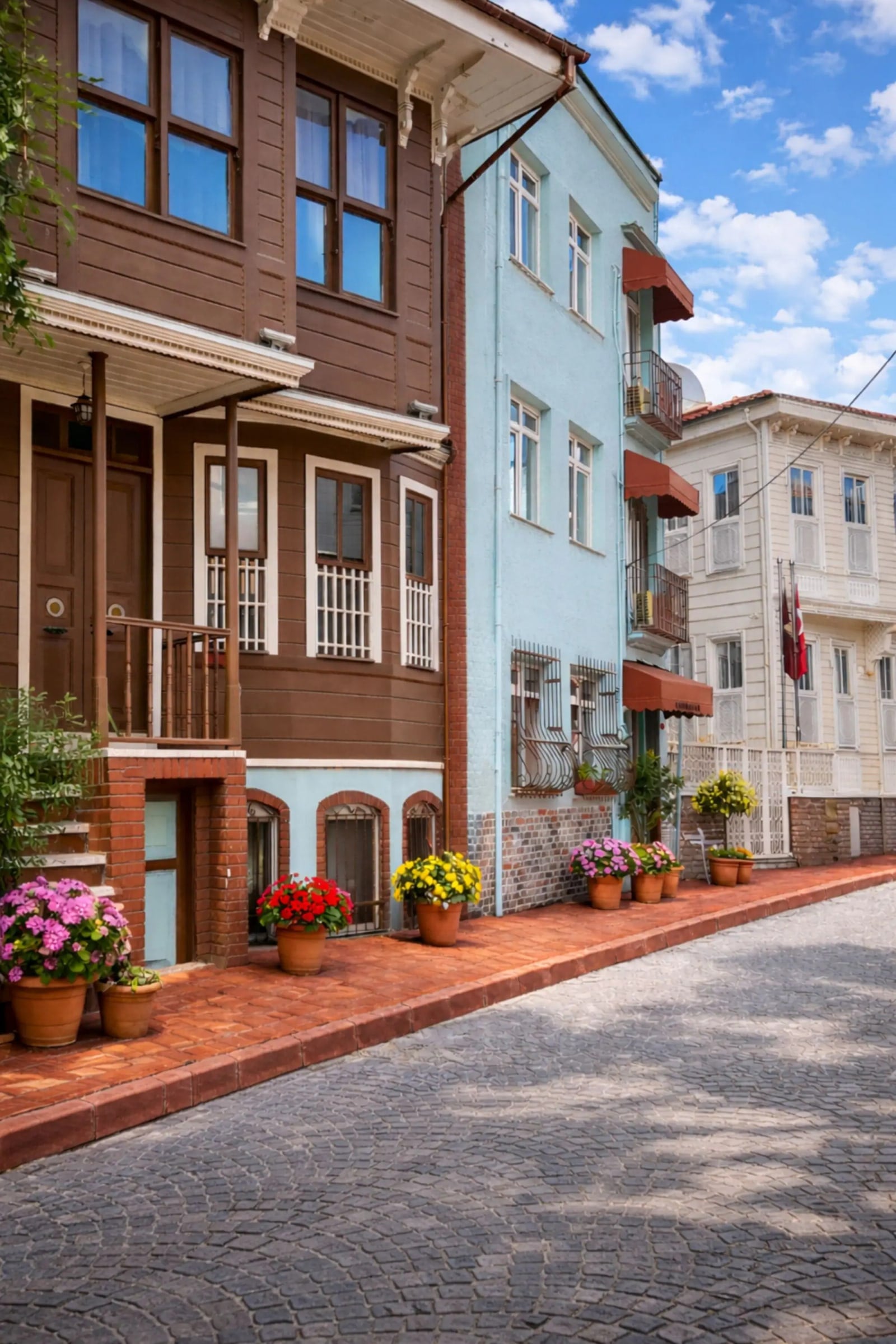
A budget-friendly hotel with free breakfast in Küçük Ayasofya
- Breakfast included
- Family suite with kitchenette
- Triple room
-
Green Life Apart Hotel
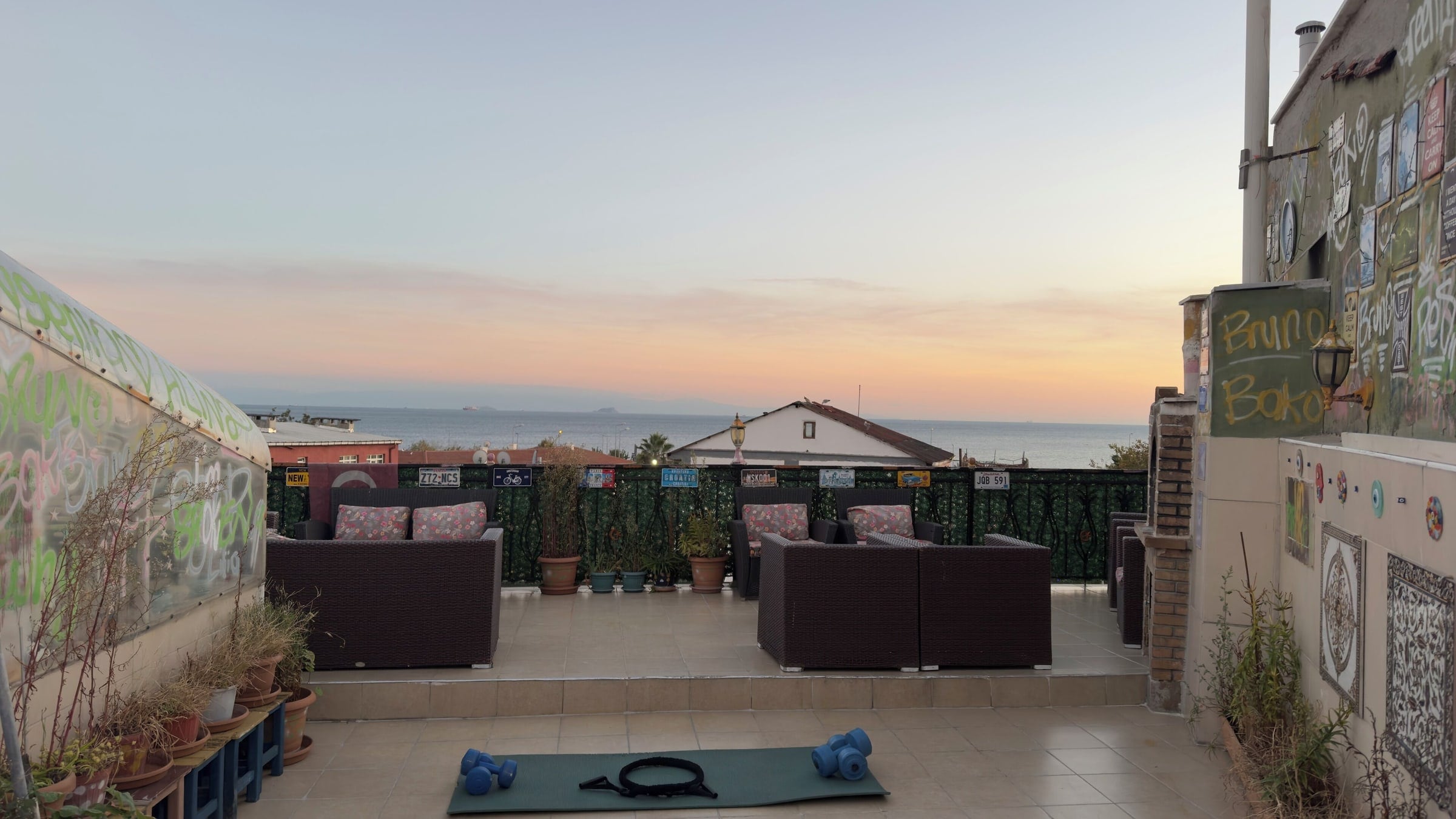
Family-run apartments with kitchenettes and a sea-view roof terrace in Küçük Ayasofya
- Kitchenette in every apartment
- Apartments for three
- Sea-view roof terrace
-
Seven Roses Apart Hotel
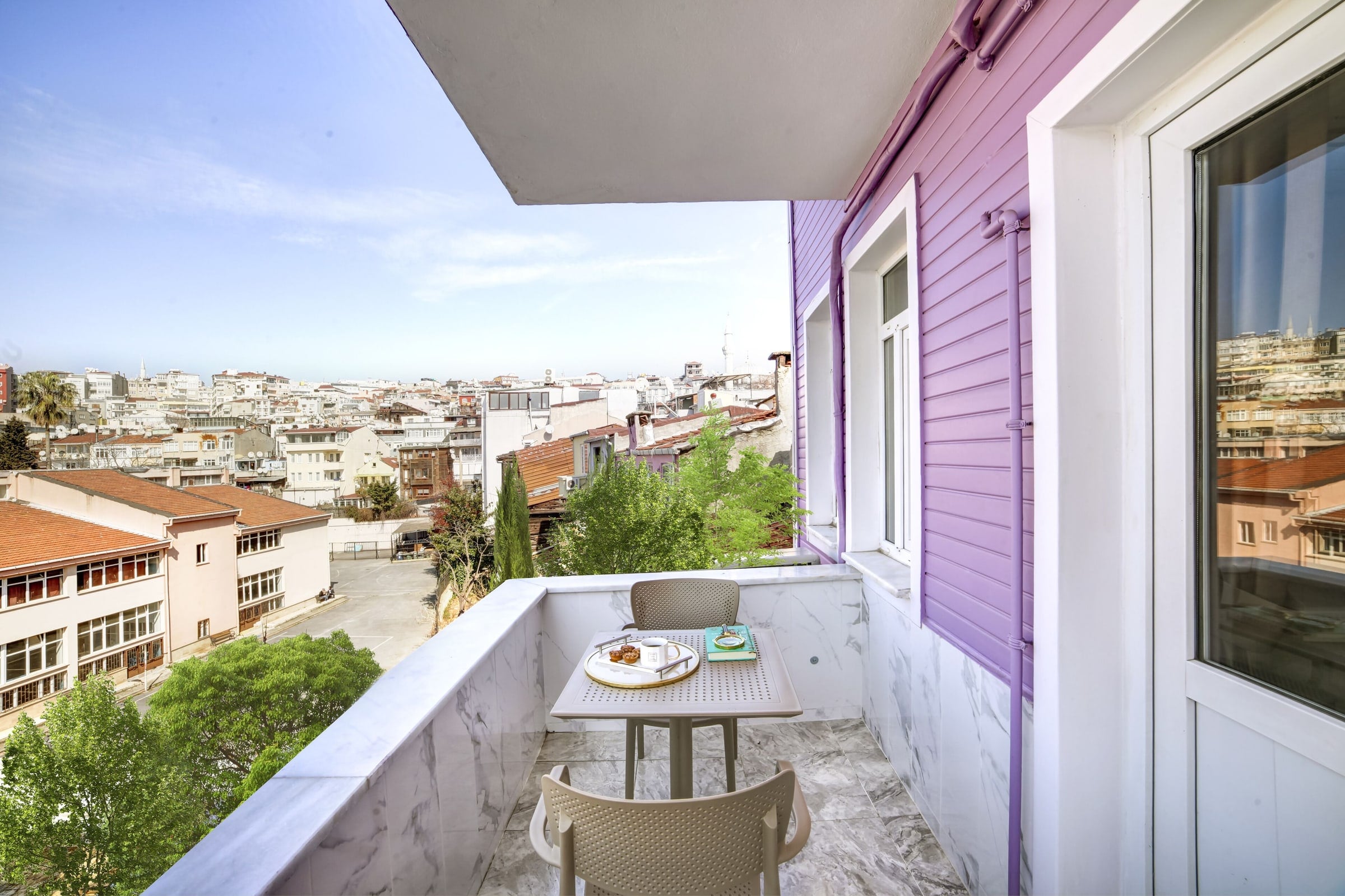
Apartments with kitchens in Küçük Ayasofya, with roomy options for larger families
- Kitchen in every unit (hob, fridge, kettle)
- Two-bedroom family apartments (up to 6 guests)
- One-bedroom apartments with a separate bedroom
Frequently asked questions
What does inshallah mean?
Inshallah comes from the Arabic “in shā’ Allāh” and means “if God wills”. It is said when talking about a plan or a hope for the future.
How do you spell inshallah?
Common English spellings are inshallah, insha’Allah and in sha Allah. In Turkish it is written “inşallah”. All mean the same thing.
Is inshallah in the Qur’an?
Yes. Surah al-Kahf 18:23–24 advises saying “if God wills” when you say you will do something tomorrow, and the phrase appears in other verses too.
How do you reply when someone says inshallah?
No special reply is required. People usually answer “inshallah” or “amin”.
Can non-Muslims say inshallah?
Yes. It is a kind wish and a sign of respect; in Turkey and the Arab world people of other faiths use it in everyday speech too.