
What does alhamdulillah mean? Meaning and when to say it
Key facts
| Meaning | All praise is for God; thank God |
|---|---|
| In Arabic | الحمد لله (al-ḥamdu lillāh) |
| Common spellings | alhamdulillah, al-hamdu lillah; Turkish: elhamdülillah |
| Source | First verse of al-Fatiha: “Al-ḥamdu lillāhi rabbil-‘ālamīn” |
| When is it said? | When thanking God for a blessing, good news or a good outcome |
What does the word alhamdulillah mean?
Alhamdulillah has three parts: al (all, every), ḥamd (praise and thanks) and lillāh (for God, belonging to God). Together: “All praise and thanks belong to God alone.” In Turkish people also simply say “Allah’a şükür” (thank God).
Ḥamd is a little wider than thanks. Thanks (shukr) is gratitude for a blessing you received; ḥamd is praising God both for His blessings and for who He is. That is why Muslims say alhamdulillah not only on good days but in hard times too: “alhamdulillah in every situation.”
Where does alhamdulillah appear in the Qur’an?
The Qur’an’s first chapter, al-Fatiha, begins: “Al-ḥamdu lillāhi rabbil-‘ālamīn” (All praise is for God, Lord of all the worlds). Because al-Fatiha is recited in every unit of every prayer, Muslims repeat these words at least seventeen times a day.
Surahs al-An‘am, al-Kahf, Saba’ and Fatir also open with alhamdulillah, and the Qur’an says the final words of the people of Paradise will be “Al-ḥamdu lillāhi rabbil-‘ālamīn” (Surah Yunus 10:10).
When do Muslims say alhamdulillah?
In daily life you will hear it most in these moments:
- When asked how you are: the most common answer to “How are you?” is “Fine, alhamdulillah.”
- After a meal: saying alhamdulillah when you finish eating is a sunnah.
- After sneezing: according to hadith, the person who sneezes says “alhamdulillah”, the listener replies “yarḥamukallāh” (may God have mercy on you), and the first person answers “yahdīkumullāh” (may God guide you).
- Good news or a good result: “The flight landed on time, alhamdulillah.” “The fever has gone down, alhamdulillah.”
- After prayer: in the tasbih, Muslims say “subḥānallāh”, “alhamdulillah” and “Allāhu akbar” 33 times each.
Alhamdulillah, inshallah and mashallah: how to tell them apart
| Phrase | Timing | Example |
|---|---|---|
| Alhamdulillah | Thanks for something that has happened | “We reached the hotel safely, alhamdulillah.” |
| Inshallah | A hope for the future | “We’ll visit Hagia Sophia tomorrow, inshallah.” |
| Mashallah | Admiring something you see | “Mashallah, what a beautiful view.” |
An easy way to remember: inshallah for the future, mashallah for the beauty in front of you, alhamdulillah for the good that has come to you. More: What does inshallah mean? and What does mashallah mean?
Saying alhamdulillah on your trip
Arriving at the hotel after a long flight, a good day out with the children, a peaceful prayer in a historic mosque: for Muslim families these are all moments of gratitude. Hearing the call to prayer in Sultanahmet and praying in congregation at the Blue Mosque or Hagia Sophia is one of the moments many of our guests describe with “alhamdulillah”.
To plan your days around prayer times, see planning Istanbul around prayer times, and for prayer at the hotel see praying in your hotel room.
Our hotels within walking distance of Sultanahmet’s mosques
-
Sareban Hotel
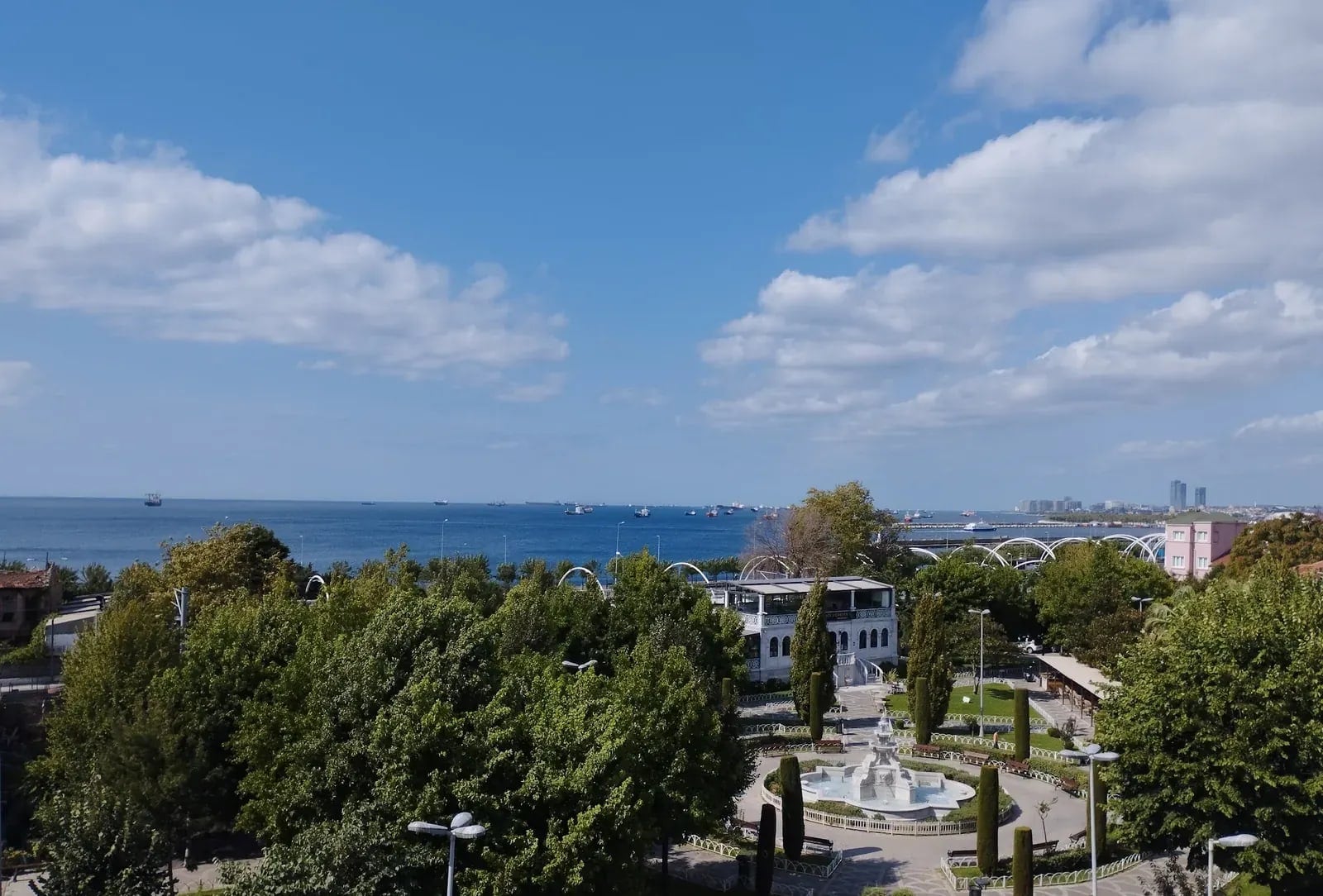
An alcohol-free family hotel in Küçük Ayasofya, looking out to the Marmara
- Alcohol-free hotel (incl. minibars)
- Triple family room
- Baby cot and extra bed (on request)
-
Emirhan Inn Hotel
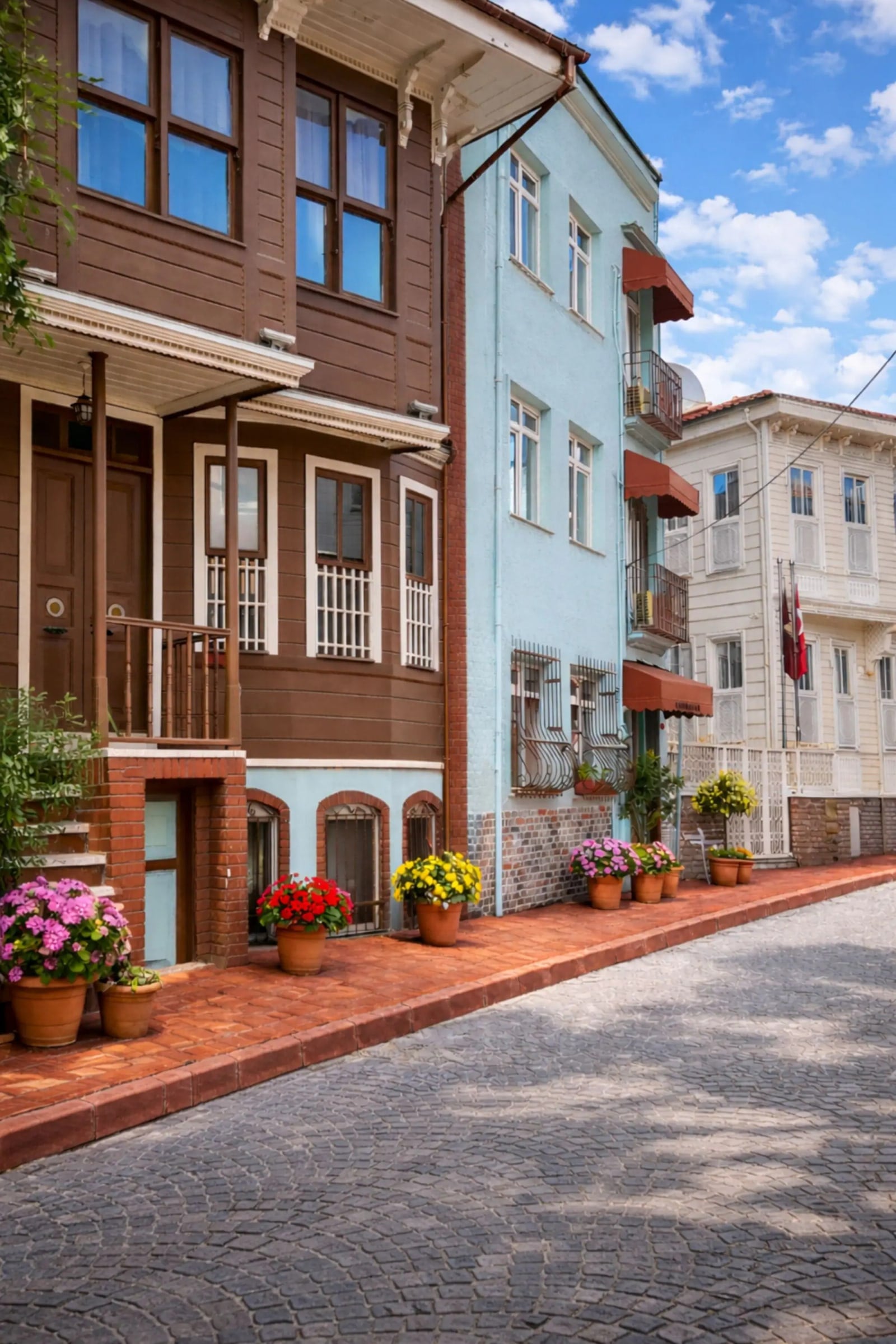
A budget-friendly hotel with free breakfast in Küçük Ayasofya
- Breakfast included
- Family suite with kitchenette
- Triple room
-
Green Life Apart Hotel
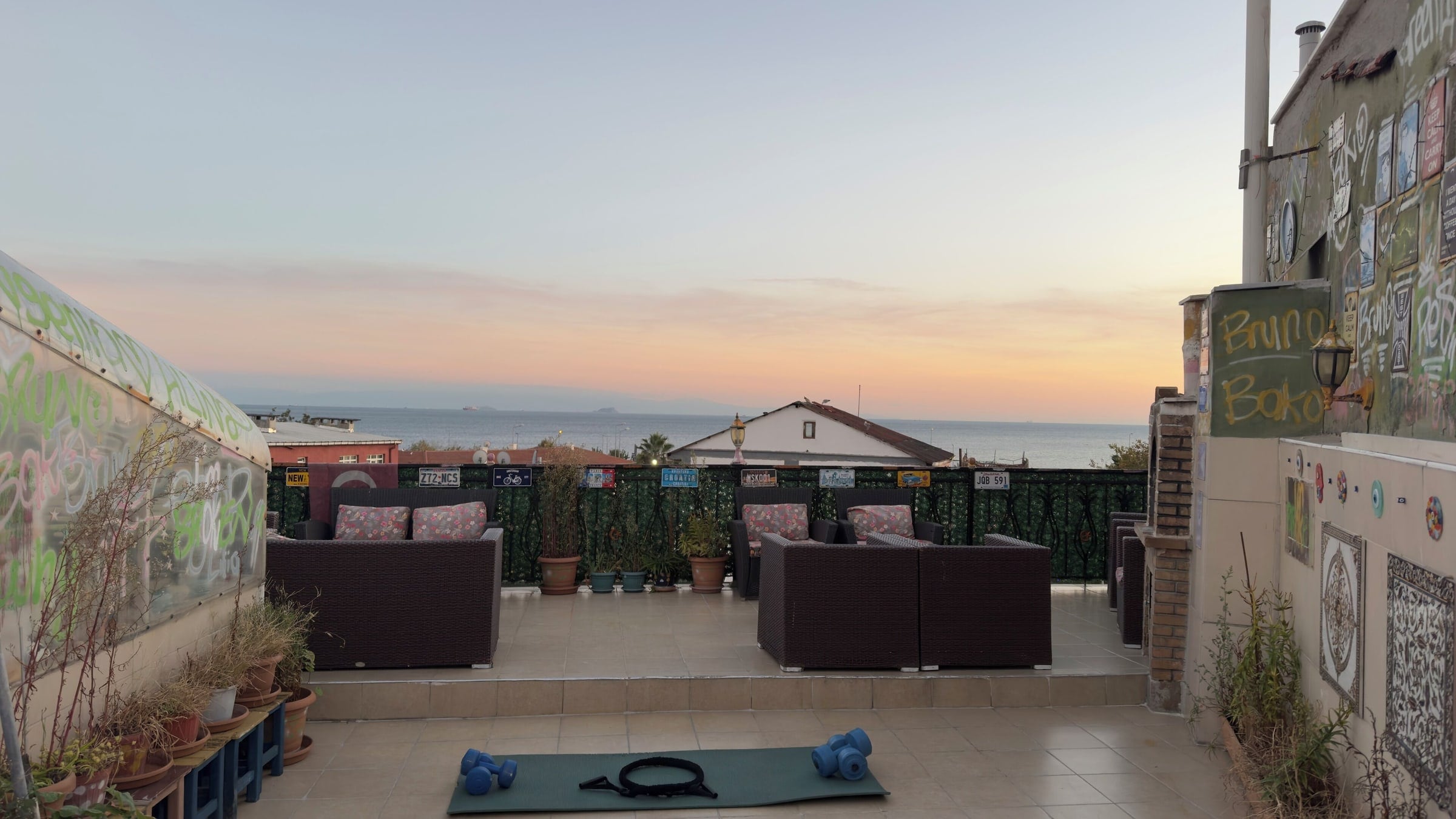
Family-run apartments with kitchenettes and a sea-view roof terrace in Küçük Ayasofya
- Kitchenette in every apartment
- Apartments for three
- Sea-view roof terrace
-
Seven Roses Apart Hotel
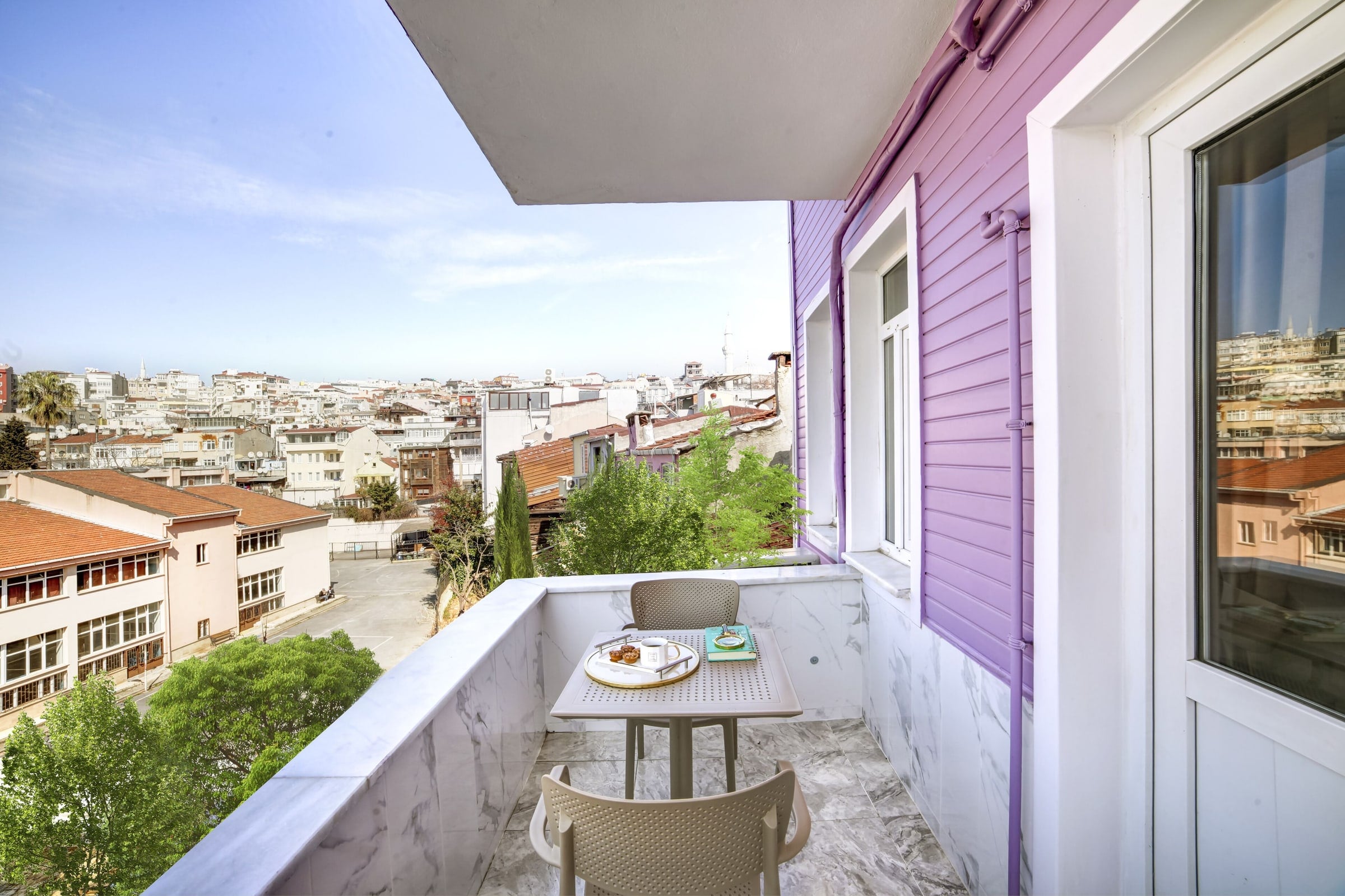
Apartments with kitchens in Küçük Ayasofya, with roomy options for larger families
- Kitchen in every unit (hob, fridge, kettle)
- Two-bedroom family apartments (up to 6 guests)
- One-bedroom apartments with a separate bedroom
Frequently asked questions
What does alhamdulillah mean?
Alhamdulillah comes from the Arabic “al-ḥamdu lillāh” and means “all praise is for God”. It is used much like “thank God”.
How do you spell alhamdulillah?
Common spellings are alhamdulillah and al-hamdu lillah. In Turkish it is written “elhamdülillah”.
Why do Muslims say alhamdulillah after sneezing?
It is the advice of the Prophet Muhammad ﷺ. The person who sneezes says “alhamdulillah” and the listener replies “yarḥamukallāh”.
What is the difference between hamd and shukr?
Shukr is thanks for a blessing received. Hamd is praising God both for His blessings and for who He is, so its meaning is wider.
How do you reply to alhamdulillah?
No special reply is needed. Except after a sneeze, people usually answer with “alhamdulillah” too.