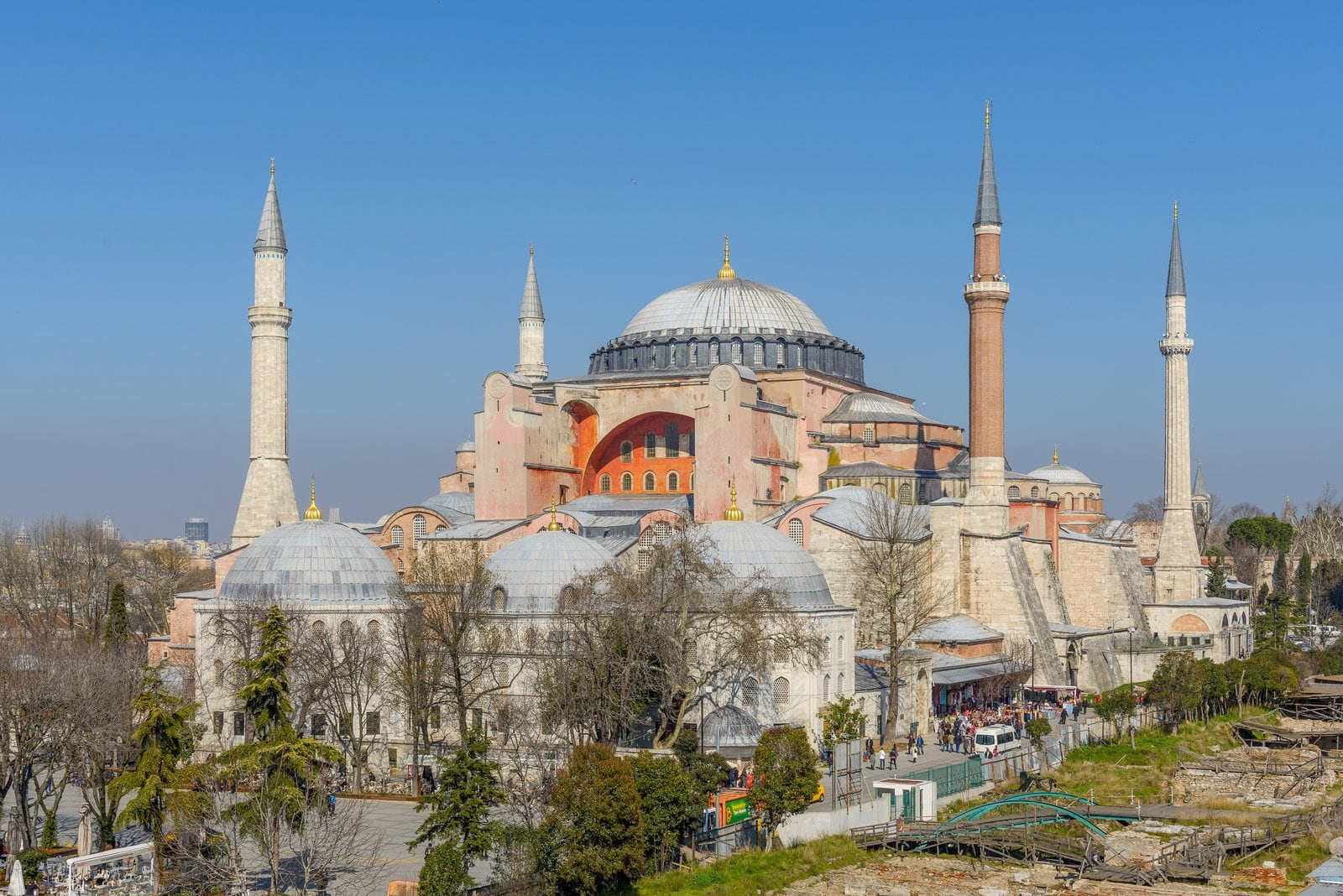
Hagia Sophia visitor guide: history, mosaics and how to visit
- Mosques
- Sultanahmet, Fatih
- Depends on the visitor
Family hotels closest to Hagia Sophia
-
Green Life Apart Hotel
Hagia Sophia: 10 min walk (time given by the hotel) Walking route
-
Seven Roses Apart Hotel
Hagia Sophia: 10 min walk (time given by the hotel) Walking route
Visitor information
| Type | Byzantine basilica converted into a mosque |
|---|---|
| Built | 532–537 (the present building) |
| Commissioned by / architect | Emperor Justinian I; architects Isidore of Miletus and Anthemius of Tralles |
| Neighbourhood | Sultanahmet, Fatih |
| Opening hours | Visiting hours change with the season; visits are restricted during the Friday midday prayer |
| Admission | Free for Turkish citizens and worshippers; since 2024 foreign visitors tour the upper galleries through a separate, paid entrance |
| Time needed | 45 min – 1.5 hours |
| Getting there | T1 Sultanahmet stop, 3 min walk |
| From Sultanahmet Square | About 4 min walk (290 m) |
| Pushchair / stroller | Partly suitable. The courtyard is level; the ramp up to the galleries is cobbled and crowded, so a baby carrier is easier |
| Best time | At opening time in the morning or in the late afternoon; avoid Friday midday |
| Official website | ayasofyacamii.gov.tr |
Opening hours and prices can change; check the official website before you go. Map links open in Google Maps.
A short history of Hagia Sophia
The building we see today was commissioned by Emperor Justinian I between 532 and 537, after two earlier churches on the same site were destroyed by fire. Its 55-metre-high dome, designed by the mathematician-architects Isidore of Miletus and Anthemius of Tralles, covered the largest enclosed space in the world for almost a thousand years.
After conquering Istanbul in 1453, Sultan Mehmed II (Mehmed the Conqueror) converted Hagia Sophia into a mosque; the minarets, mihrab, minbar and large calligraphic roundels were added over the following centuries. The building became a museum by cabinet decree in 1934 and reopened for worship as a mosque in 2020. Since 1985 Hagia Sophia has been part of the UNESCO World Heritage site “Historic Areas of Istanbul”.
What to see inside Hagia Sophia
- The main dome and calligraphic roundels: The giant roundels by Kazasker Mustafa İzzet Efendi, bearing the names of Allah, the Prophet Muhammad, the four caliphs and Hasan and Husayn, are among the largest calligraphy panels in the world.
- The gallery mosaics: The Deësis mosaic in the upper gallery (Christ, Mary and John the Baptist) is one of the most famous works of Byzantine art; the mosaics with imperial portraits are in the gallery too.
- The marble jars and the weeping column: The marble jars said to have been brought from Pergamon and the “weeping column” associated with wishes are the details visitors ask about most.
- The sultans’ tombs: To the south of the courtyard are the tombs of Selim II, Murad III and Mehmed III and the tomb of the princes.
How visits work: who enters where?
Because Hagia Sophia is a working mosque, the ground floor is reserved for worshippers. Since 15 January 2024, foreign visitors buy a ticket at a separate entrance, go up to the upper galleries and view the main space from above; Turkish citizens and anyone who wishes to pray enter free through the main doors. Women are expected to cover their hair and everyone to cover shoulders and knees; coverings are handed out at the entrance. To plan around prayer times, see our guide to planning your day around prayer times.
Hagia Sophia with children
The most impressive moment for children is when they first step under the dome; pointing out how the dome seems to “float in the air” and watching the light pour through the windows makes even a short visit memorable. The queue can get long, especially around midday; going early in the morning and then taking a break in Sultanahmet Park opposite is a good plan. We explain what to keep in mind when visiting a mosque with children in our visiting a mosque with children guide.
Visiting tips
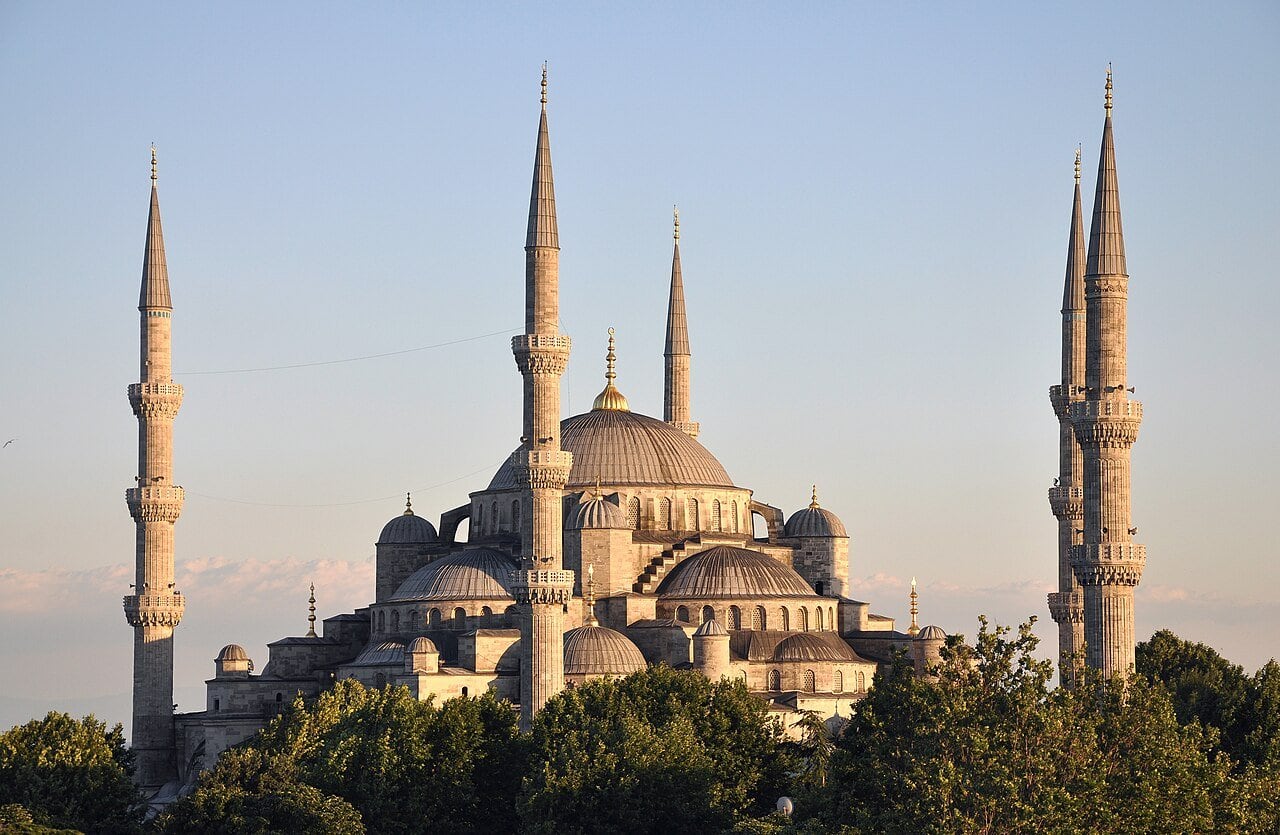
- The Blue Mosque and Hagia Sophia face each other; you can see both in the same morning with a break in Sultanahmet Park in between.
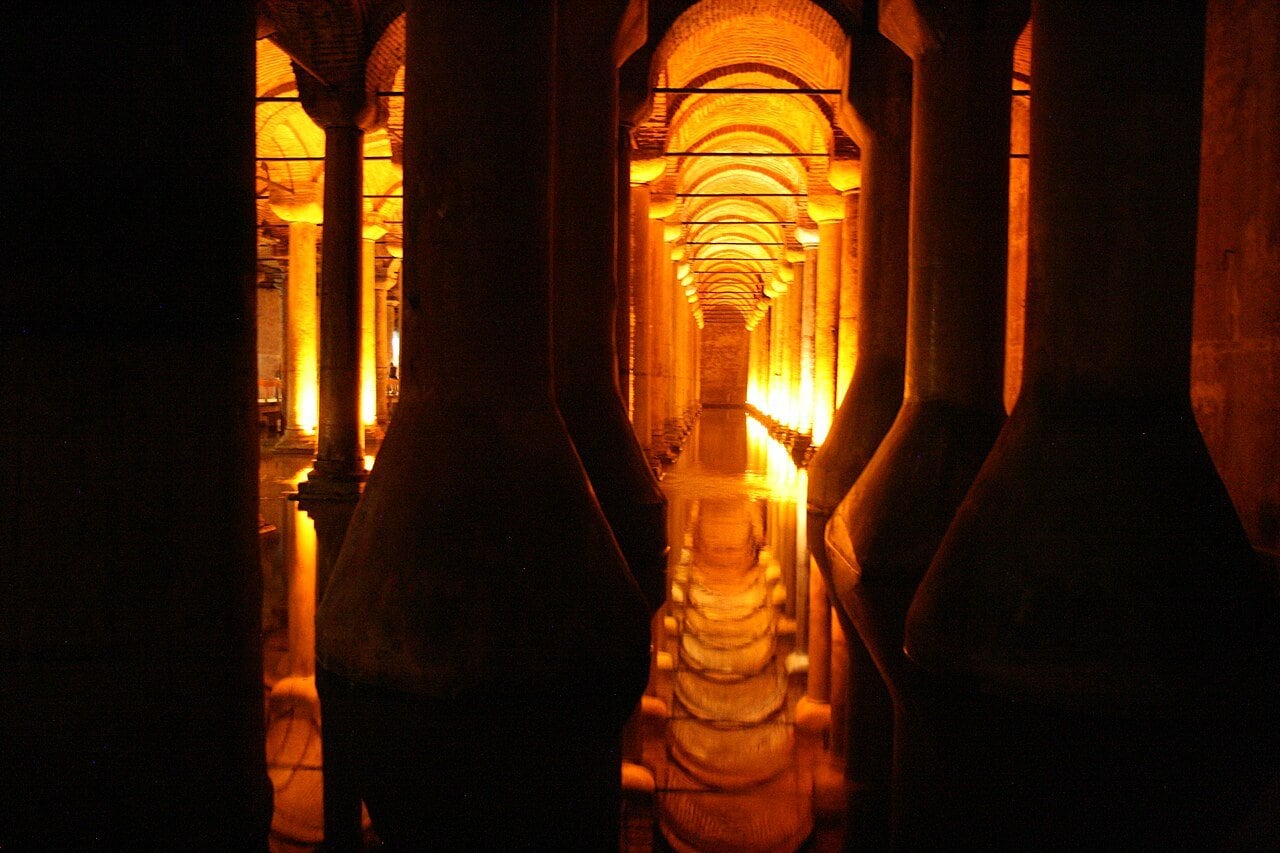
- The Basilica Cistern is right opposite Hagia Sophia; going into the cistern first, when its queue is short, saves time.
- Shoes come off when you enter the mosque; easy slip-on shoes and socks make things simpler with children.
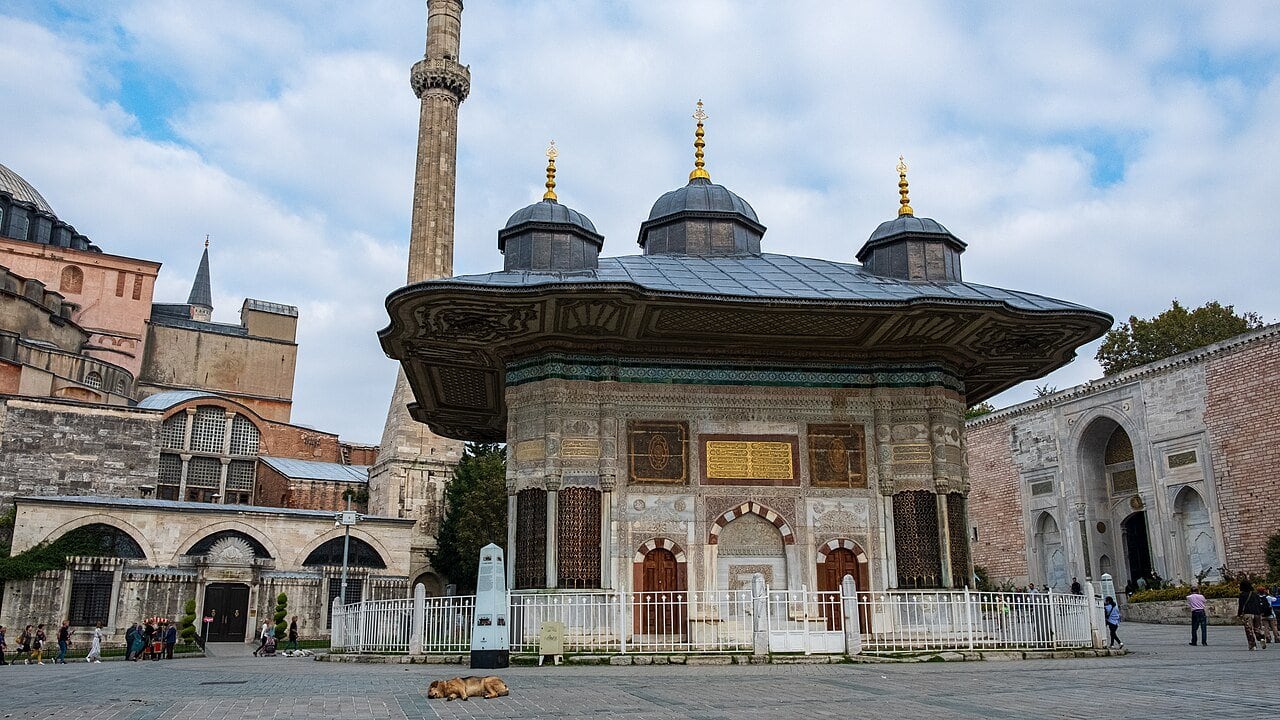
- The best photo of Hagia Sophia is taken in the late afternoon from beside the fountain in Sultanahmet Park.
Our family hotels near Hagia Sophia
Walking times are approximate and measured from the hotel door; where the hotel gives its own time, we show that.
-
Green Life Apart Hotel
Hagia Sophia: 10 min walk (time given by the hotel) Walking route
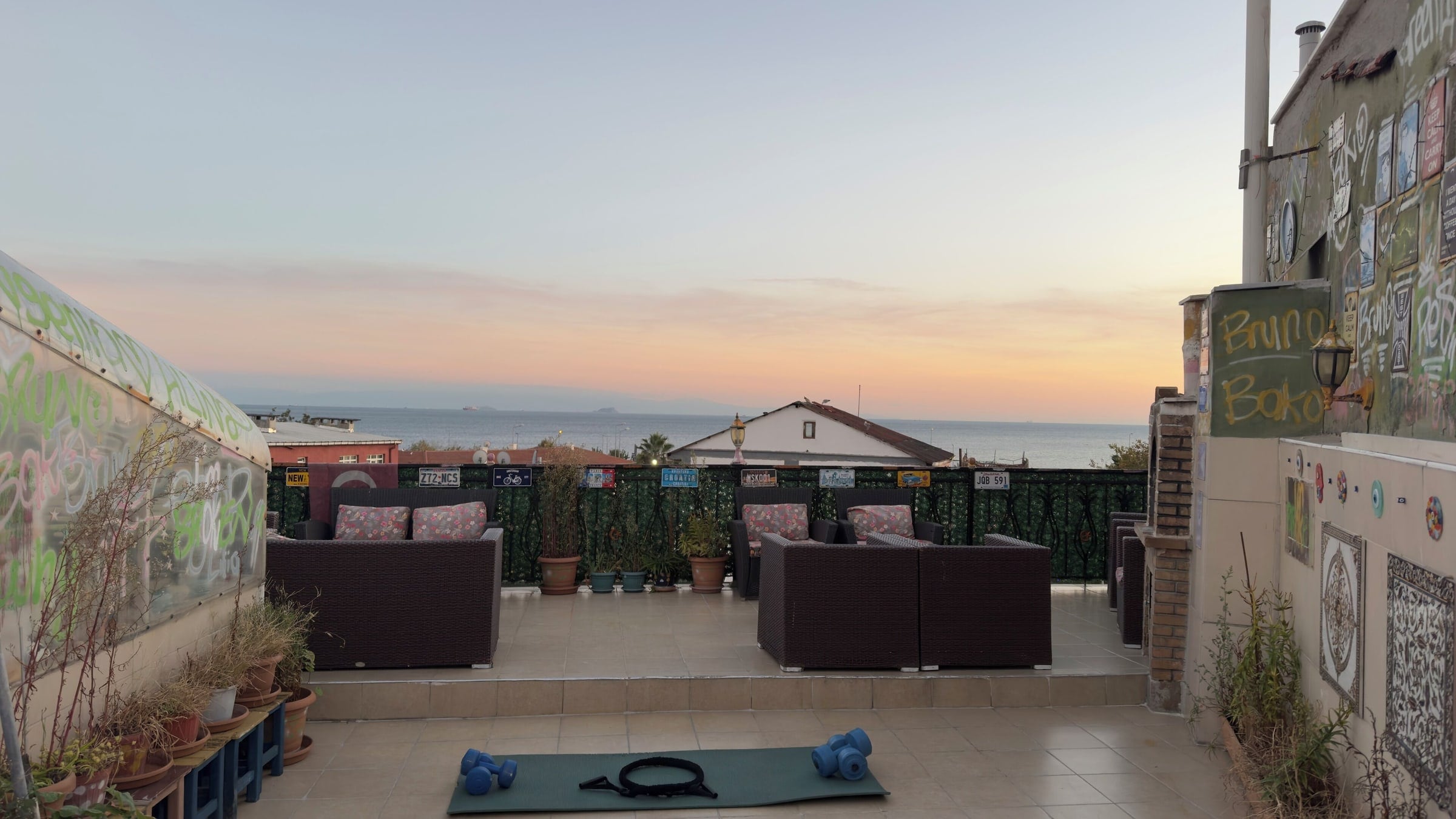
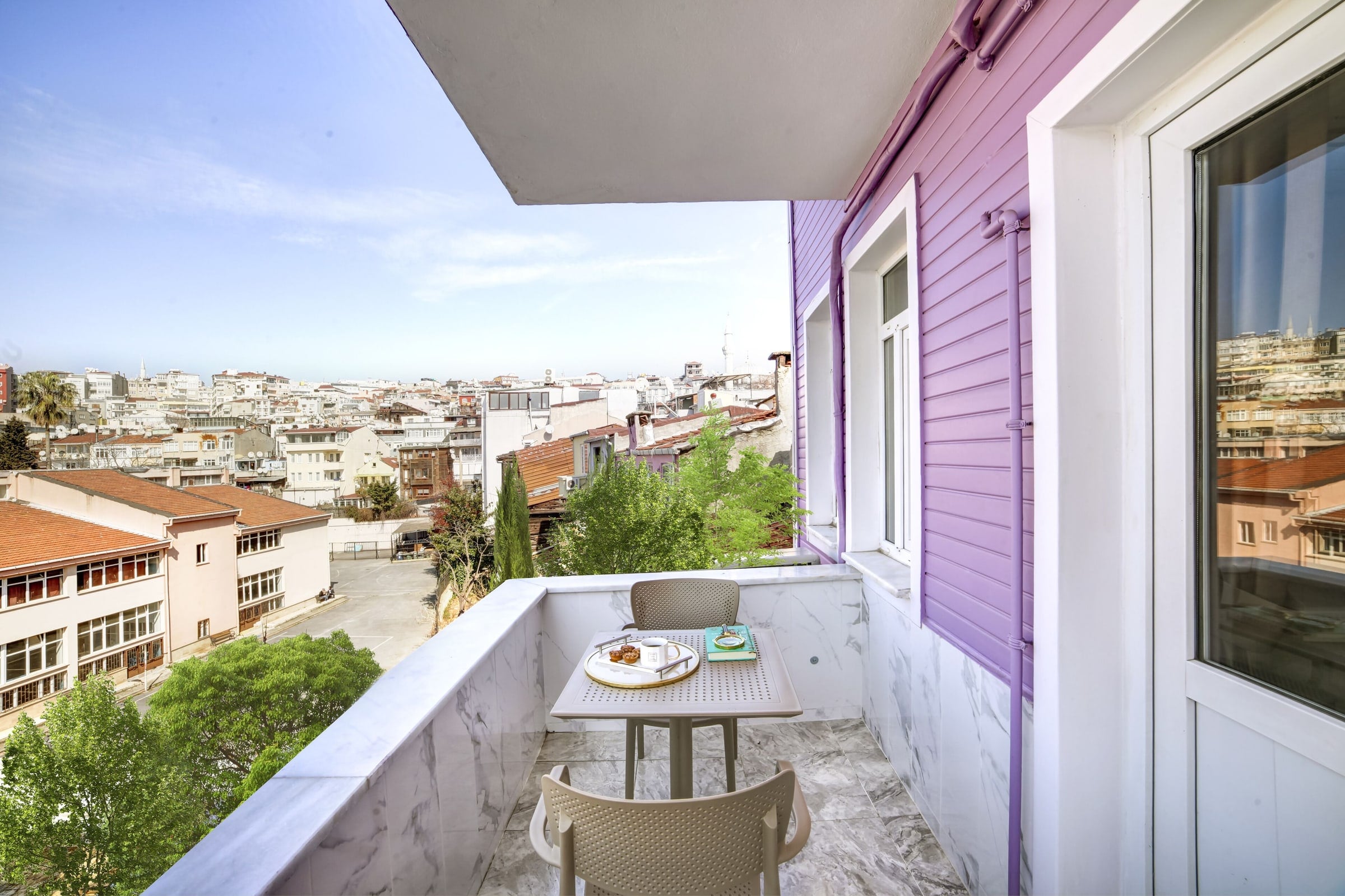
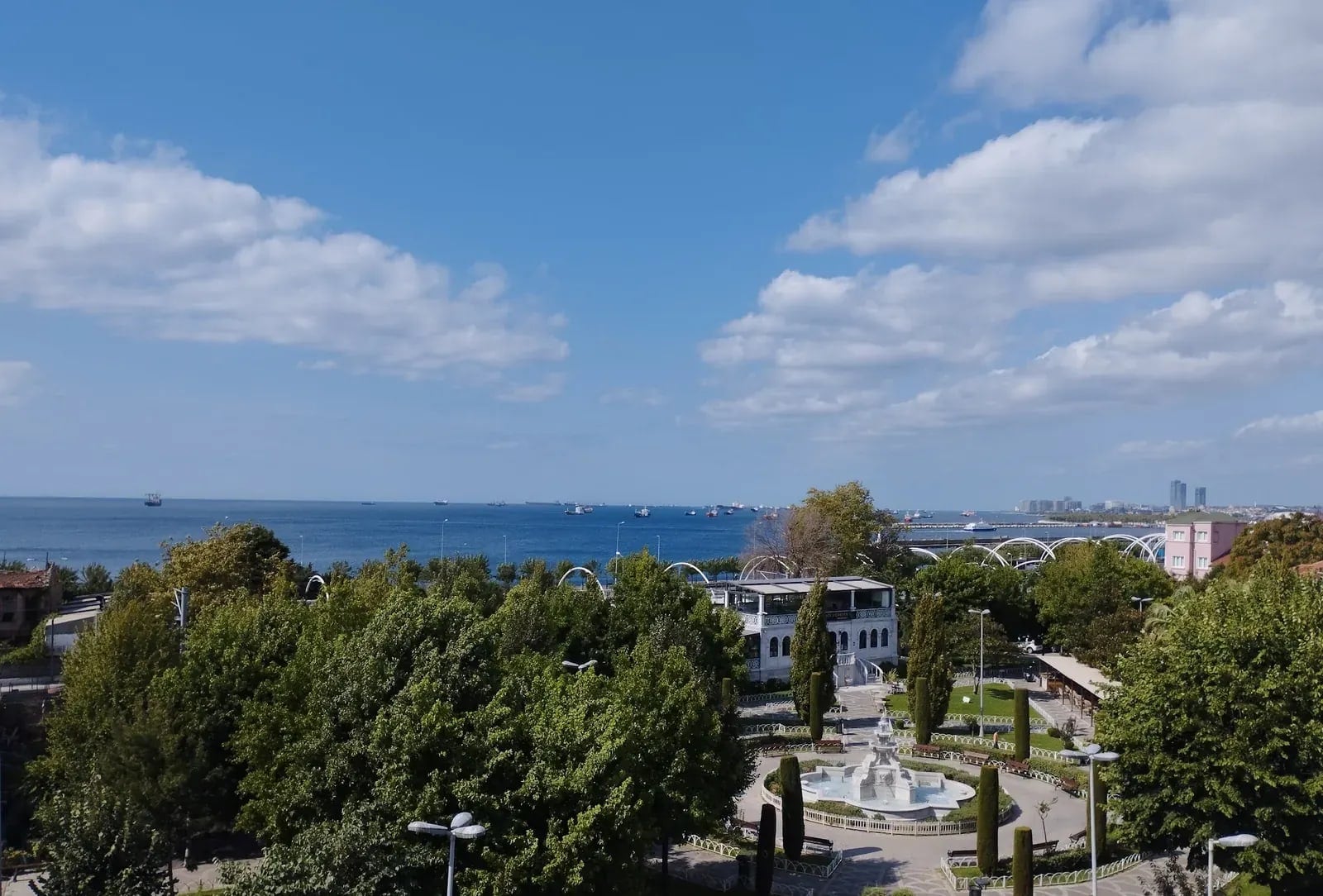
Family-run apartments with kitchenettes and a sea-view roof terrace in Küçük Ayasofya
-
Seven Roses Apart Hotel
Hagia Sophia: 10 min walk (time given by the hotel) Walking route
Apartments with kitchens in Küçük Ayasofya, with roomy options for larger families
-
Sareban Hotel
Hagia Sophia: 10 min walk (time given by the hotel) Walking route
An alcohol-free family hotel in Küçük Ayasofya, looking out to the Marmara
-
Emirhan Inn Hotel
Hagia Sophia: 12 min walk (time given by the hotel) Walking route
A budget-friendly hotel with free breakfast in Küçük Ayasofya
Frequently asked questions
Is there an entry fee for Hagia Sophia?
It is free for Turkish citizens and for anyone who wishes to pray. Since 2024 foreign visitors buy a paid ticket at a separate entrance and tour the upper galleries; check the official website for the current price.
Is Hagia Sophia a museum or a mosque?
Hagia Sophia has been a mosque since 24 July 2020. It was used as a museum from 1934 until 2020; today it is both open for worship and open to visitors.
Can you see the mosaics in Hagia Sophia?
Yes. Most of the mosaics are in the upper gallery and are on the visitor route. Some figurative mosaics on the ground floor are covered with curtains or lighting during prayer times.