
Monuments and historic landmarks of the Historic Peninsula: the Hippodrome, columns and walls
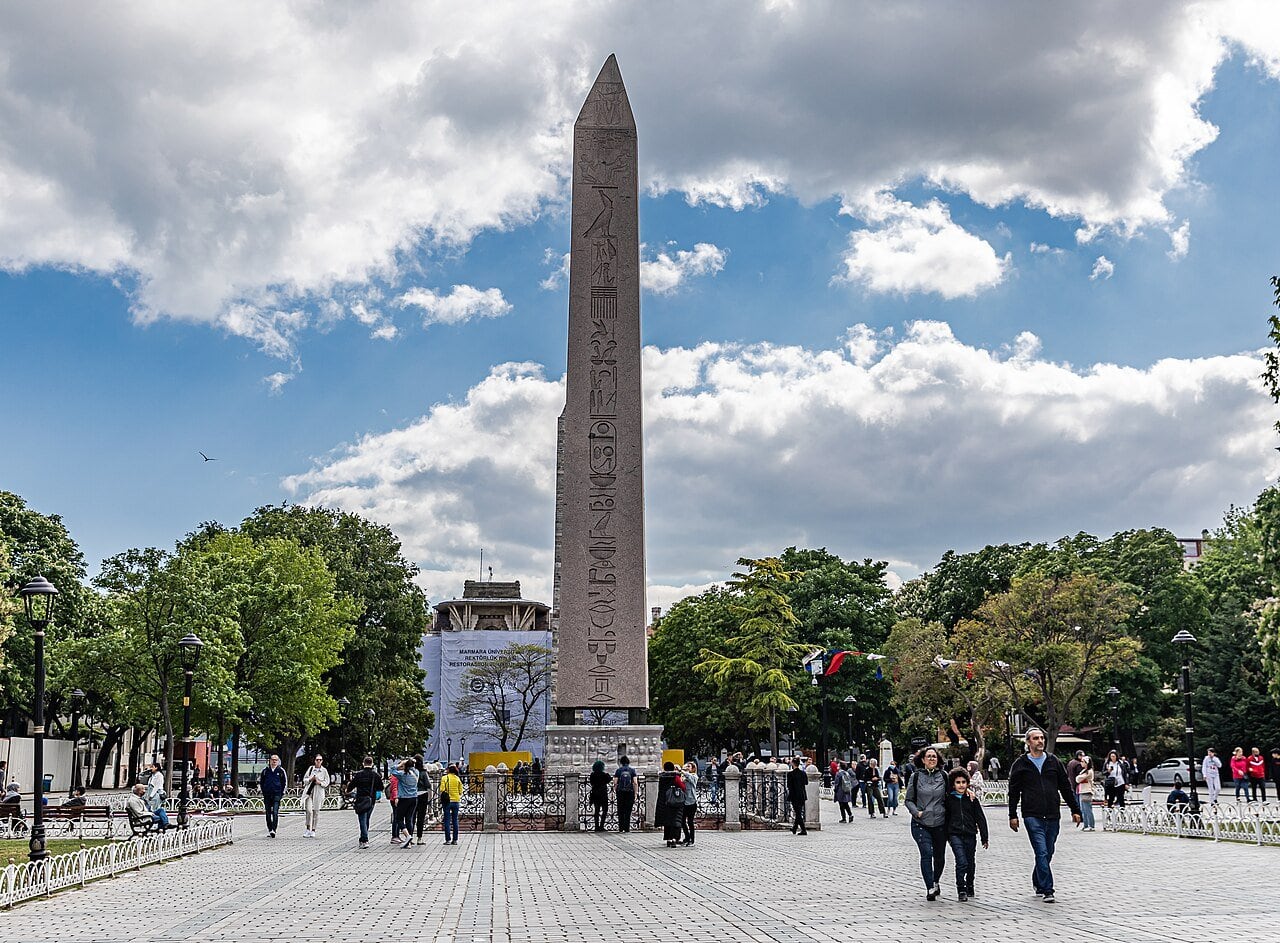
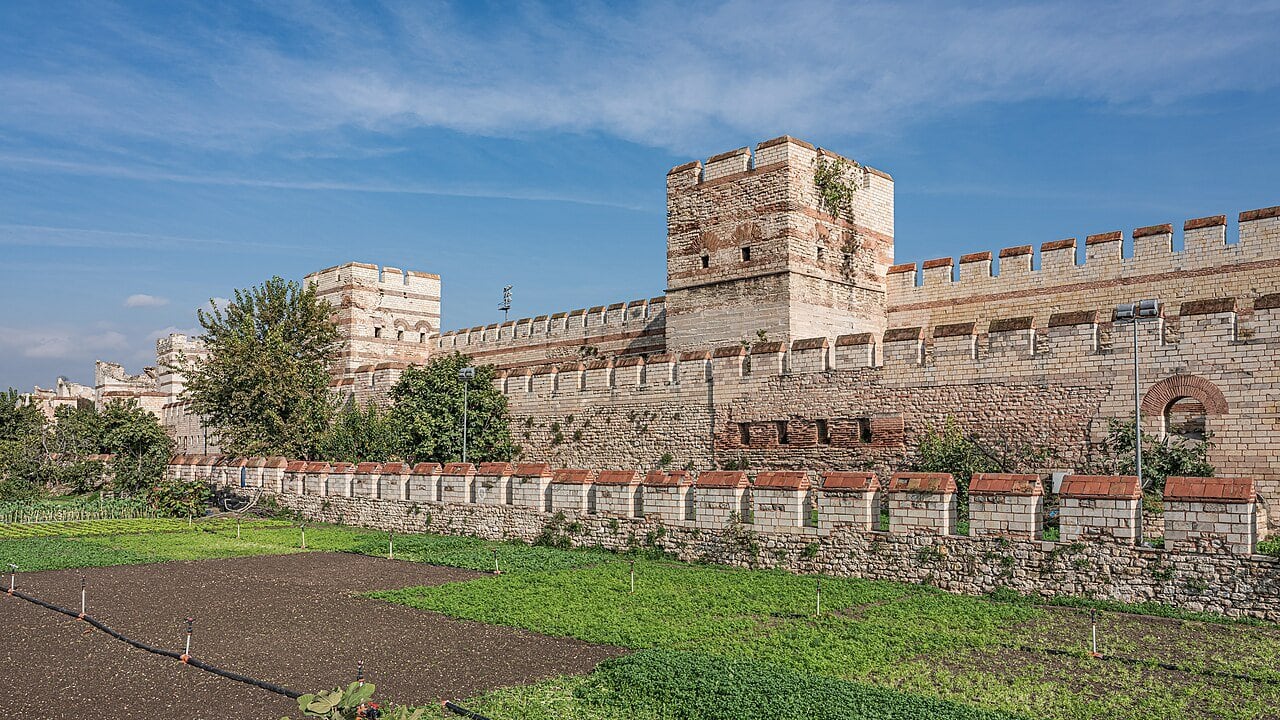
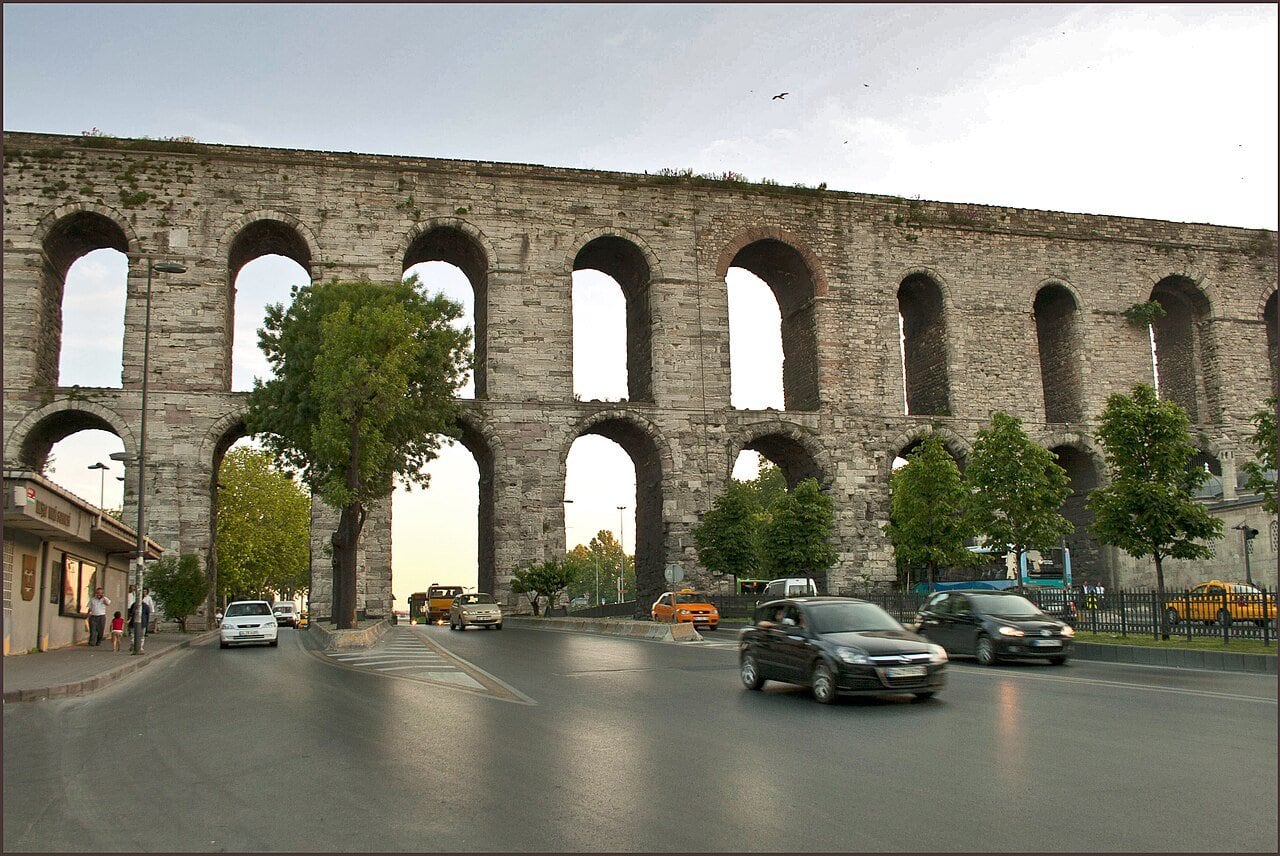
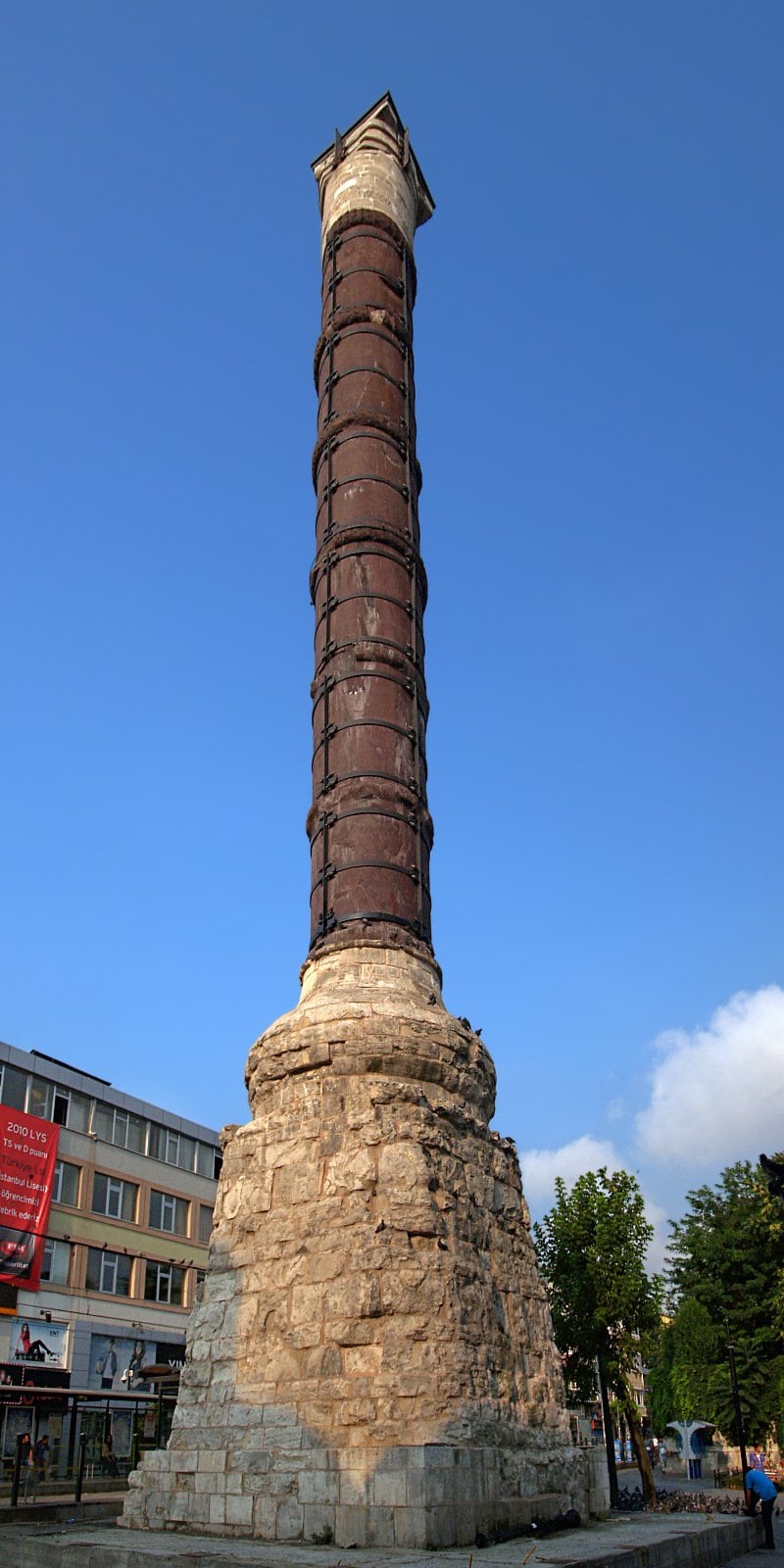
In the Historic Peninsula you come across a monument on every corner: columns from Roman times, an obelisk brought from Egypt, a 1,600-year-old aqueduct, land walls stretching for kilometres, Ottoman fountains and tombs. On this page we have gathered the open-air monuments and historic landmarks, most of them free to visit.
Many of these landmarks line the historic Divanyolu avenue and the T1 tram line from Sultanahmet to Beyazıt, so you can walk from one to the next.
Also in this category
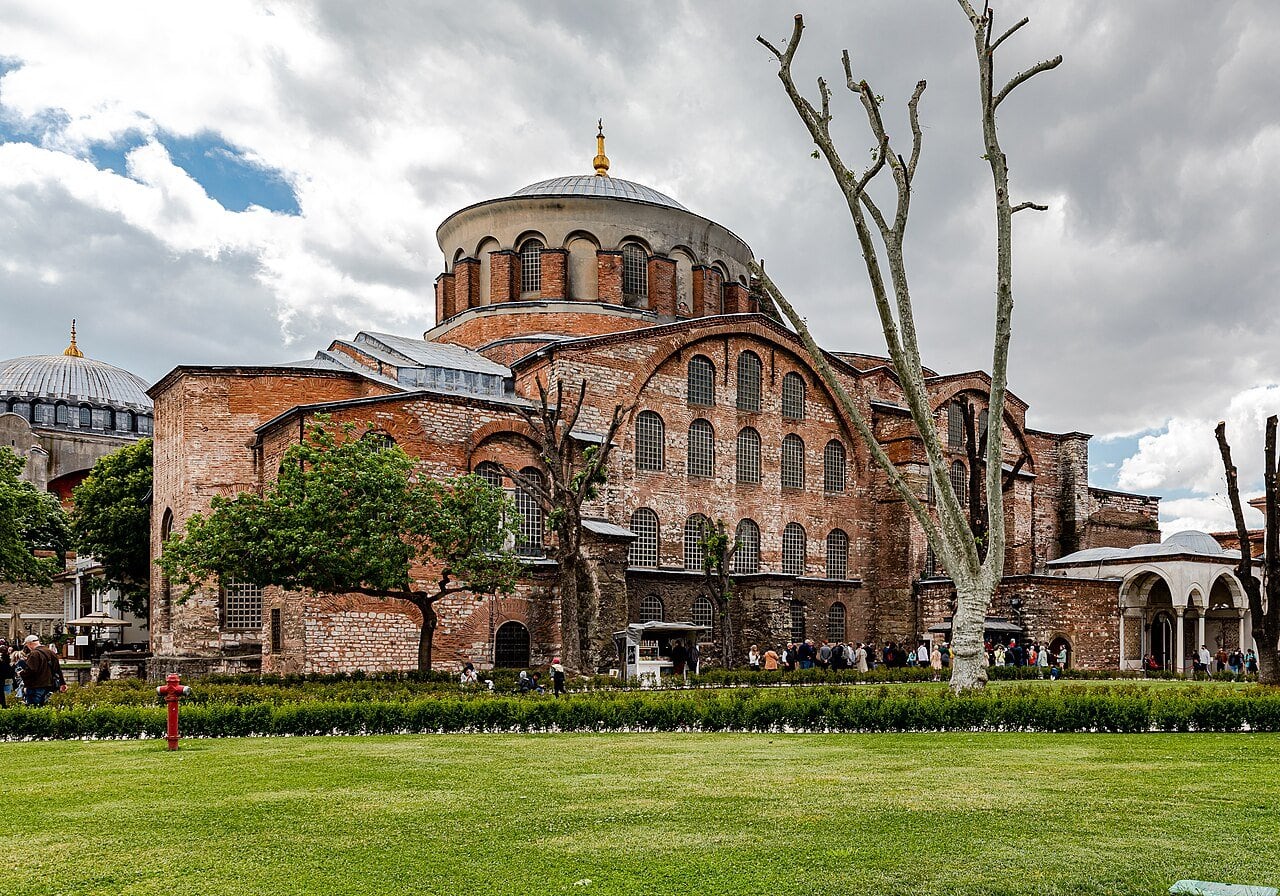
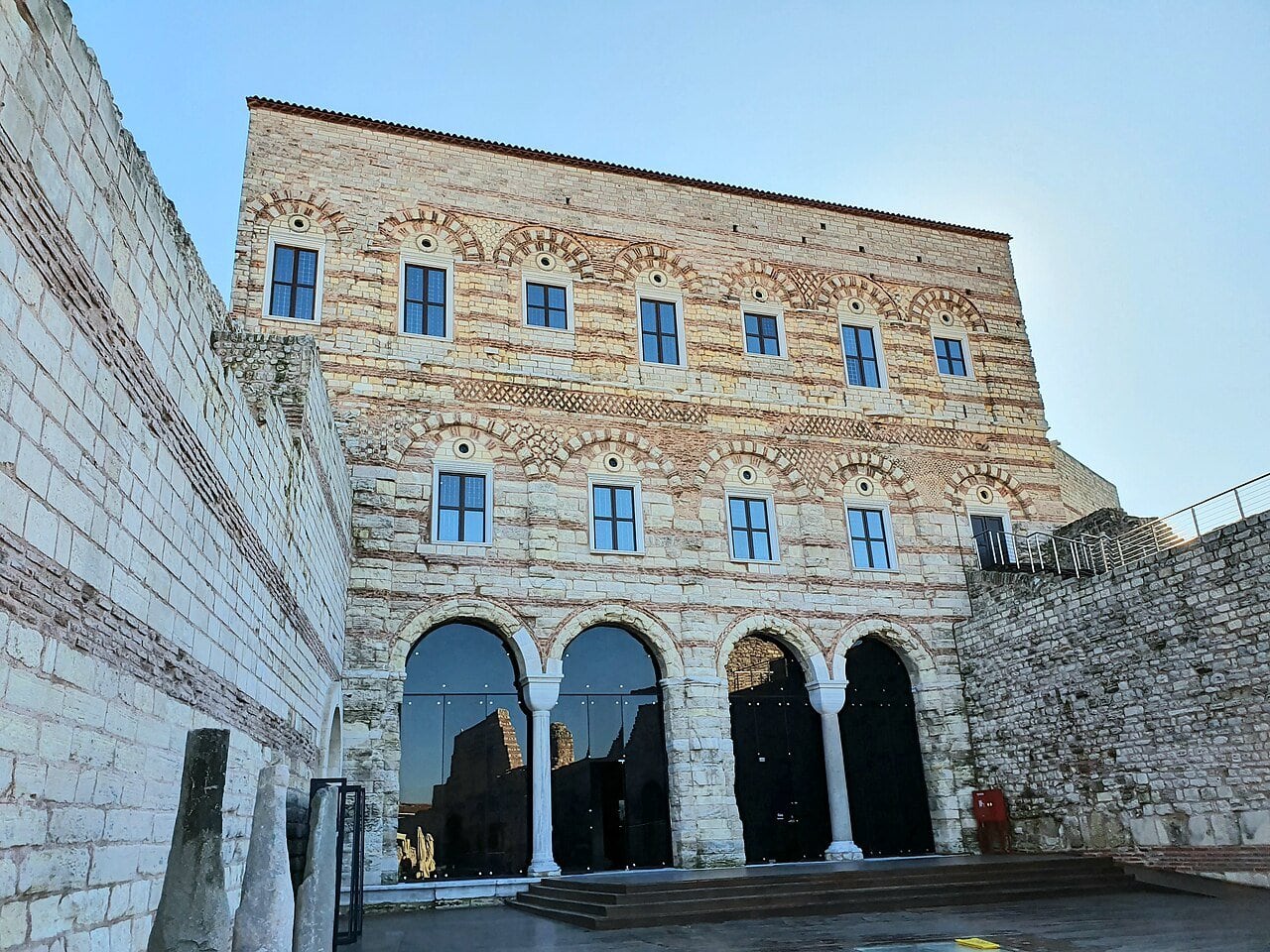
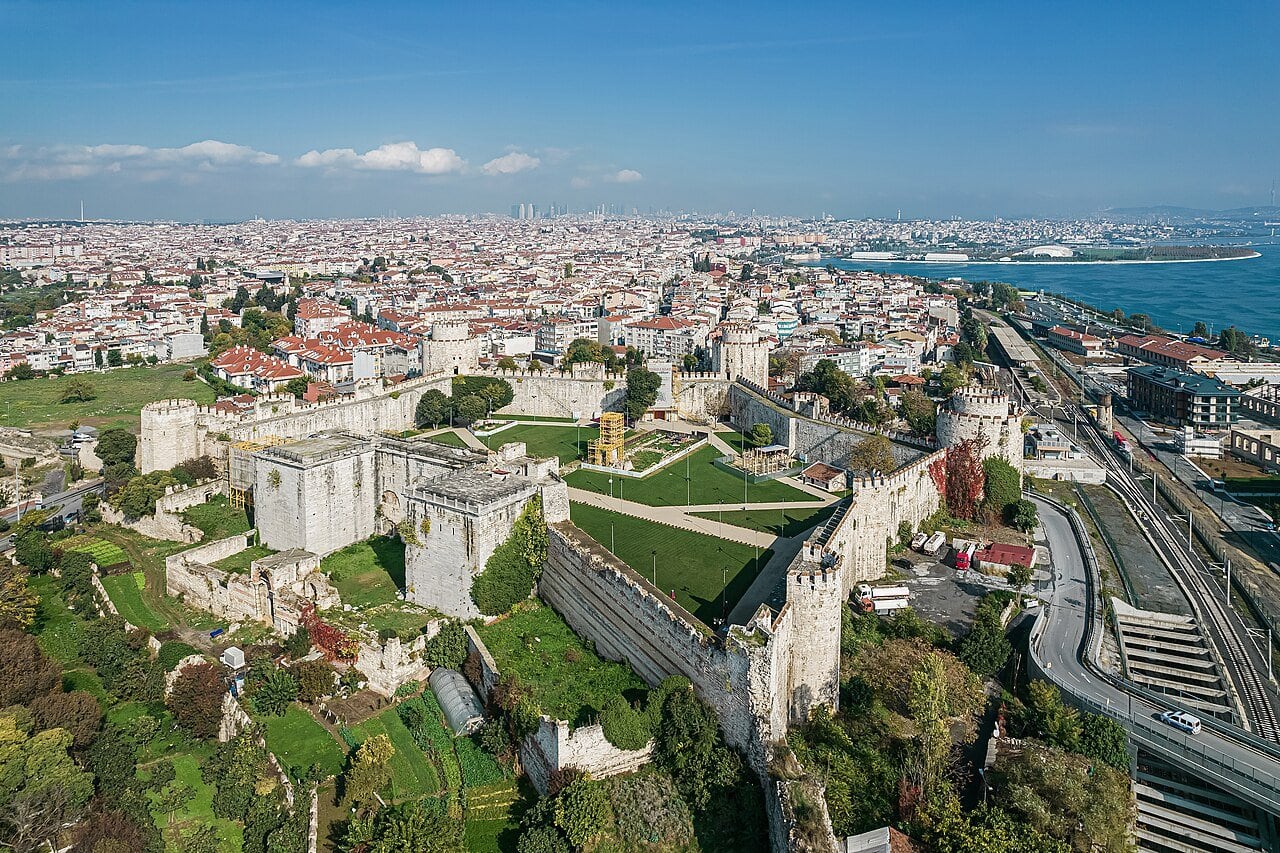
Seeing Byzantine and Ottoman traces together
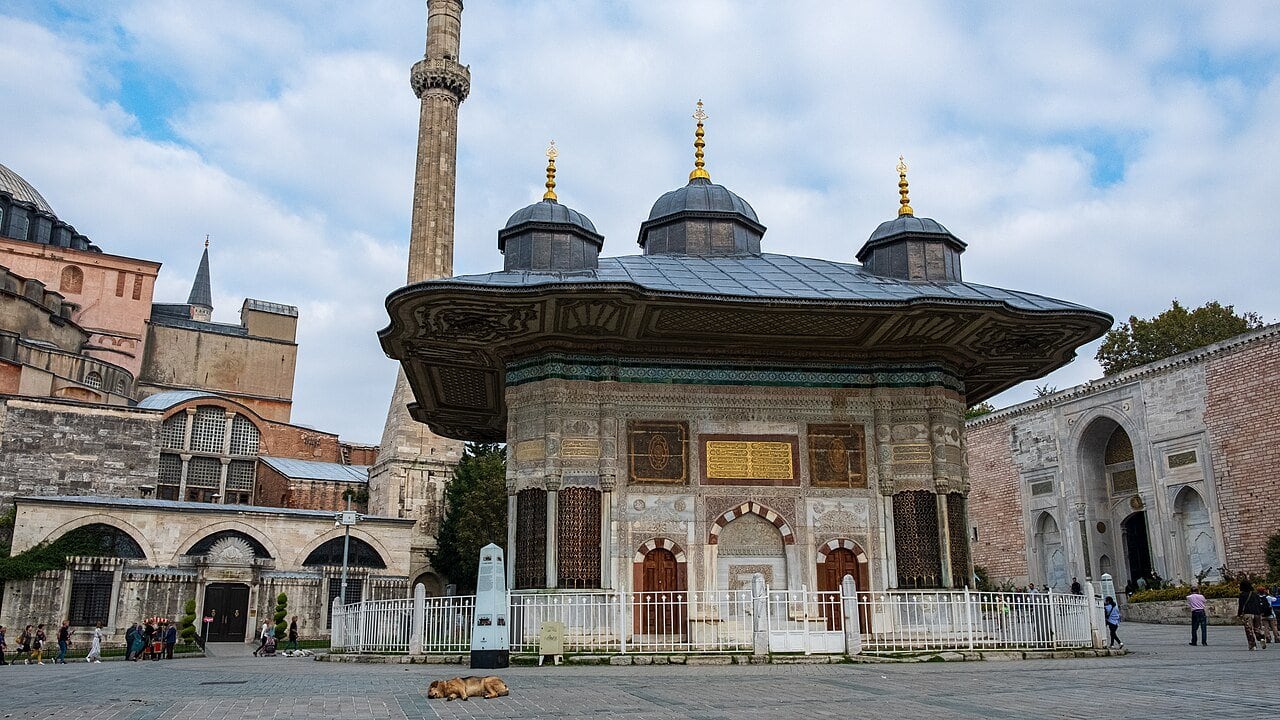
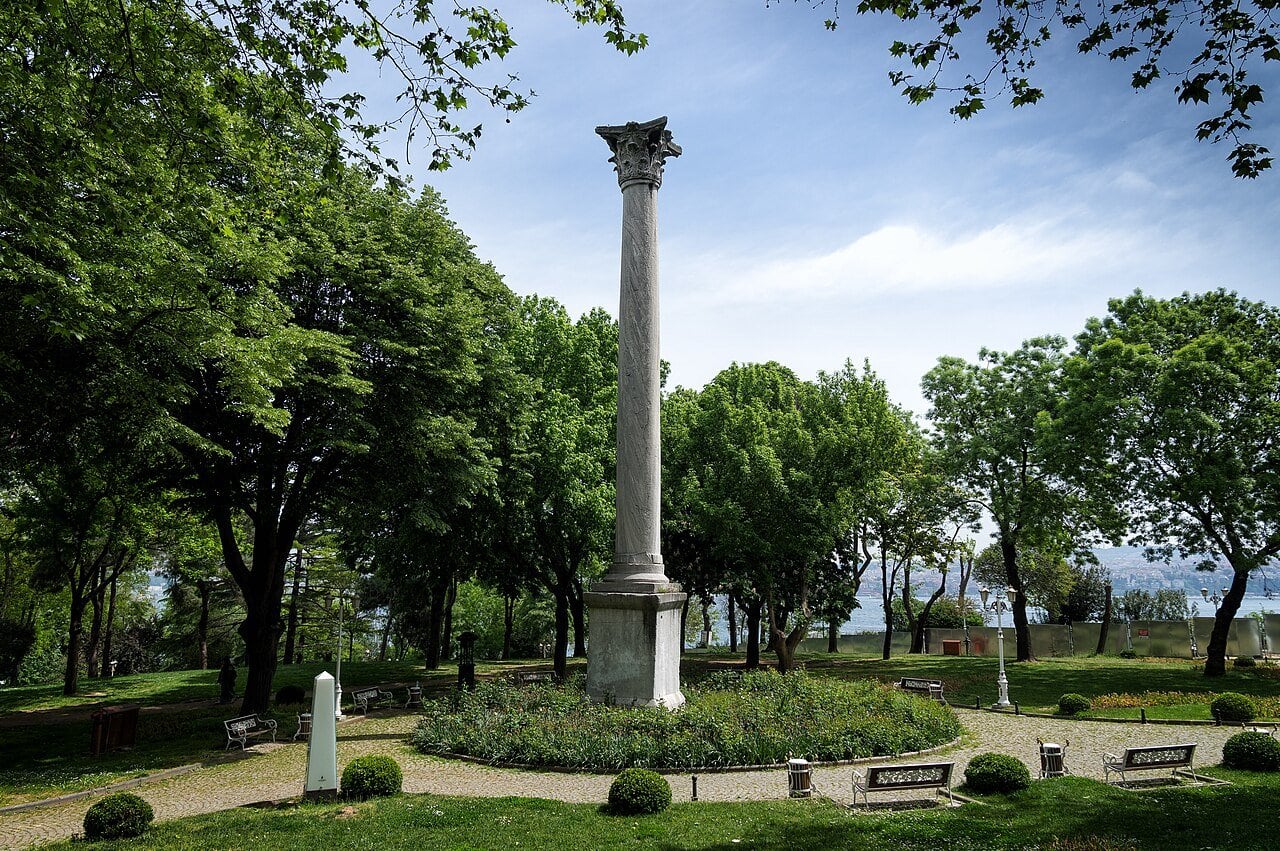
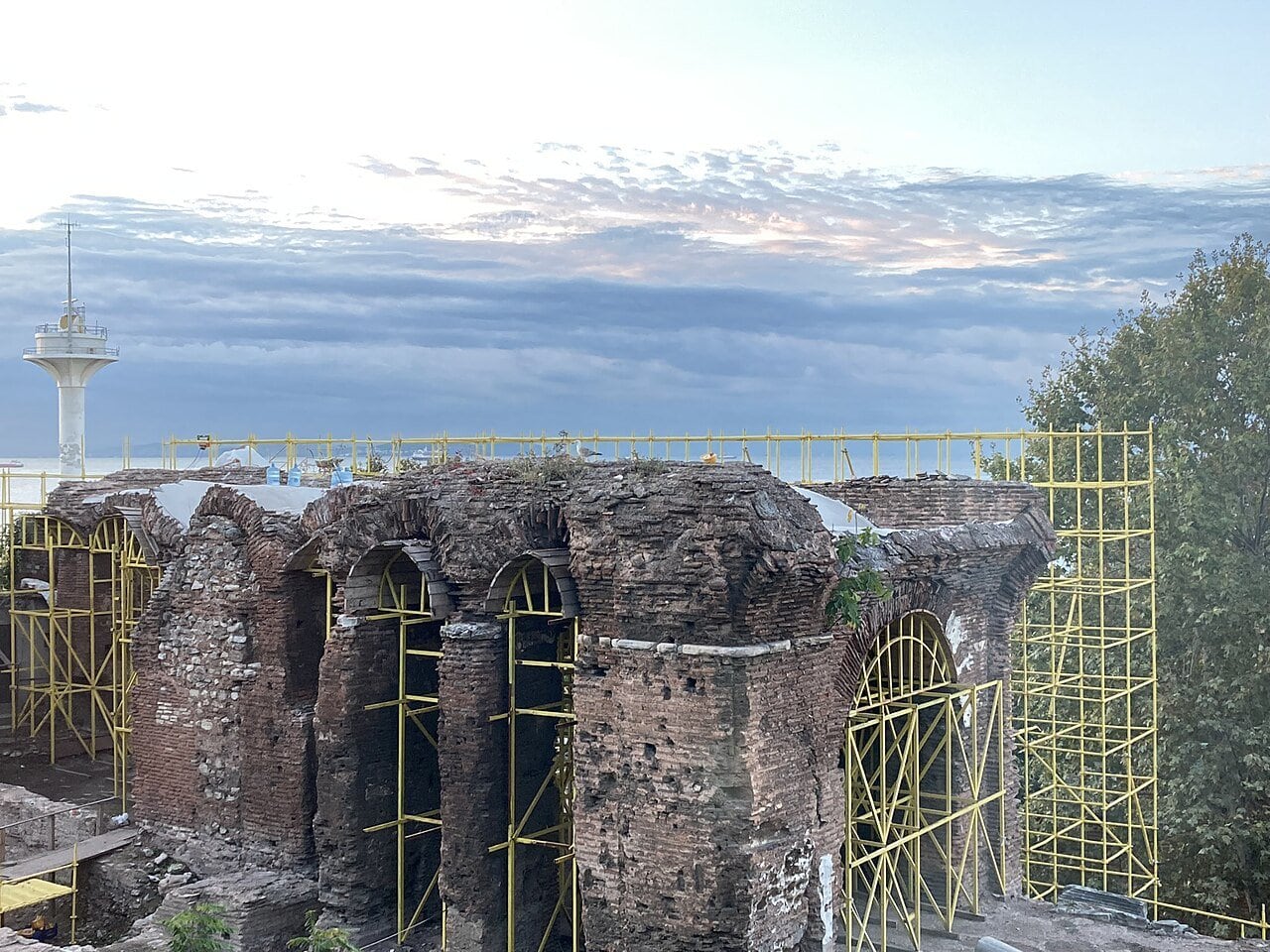
The remains of the Hippodrome on Sultanahmet Square, the Column of Constantine and the Boukoleon Palace carry traces of Byzantium, while the Fountain of Ahmed III, the Tomb of Mahmud II and Soğukçeşme Street carry those of the Ottomans. For those who want to focus on the Byzantine period, we have prepared a Byzantine Istanbul route.
Frequently asked questions
Where did the obelisk on Sultanahmet Square come from?
The obelisk was erected for Pharaoh Thutmose III at the Karnak temple in Egypt in the 15th century BC. It was brought to the Hippodrome by Emperor Theodosius I in AD 390.
Where can you see the Istanbul city walls?
The easiest places to see the land walls are around Yedikule Fortress, Topkapı, Edirnekapı and the Tekfur Palace. These points are 20–30 minutes from Sultanahmet by public transport.
Is there a fee to see these monuments?
Open-air monuments such as the Hippodrome, the Column of Constantine, the Valens Aqueduct, the Fountain of Ahmed III and Soğukçeşme Street are free. Buildings turned into museums, such as Yedikule Fortress and the Tekfur Palace, charge for entry.